
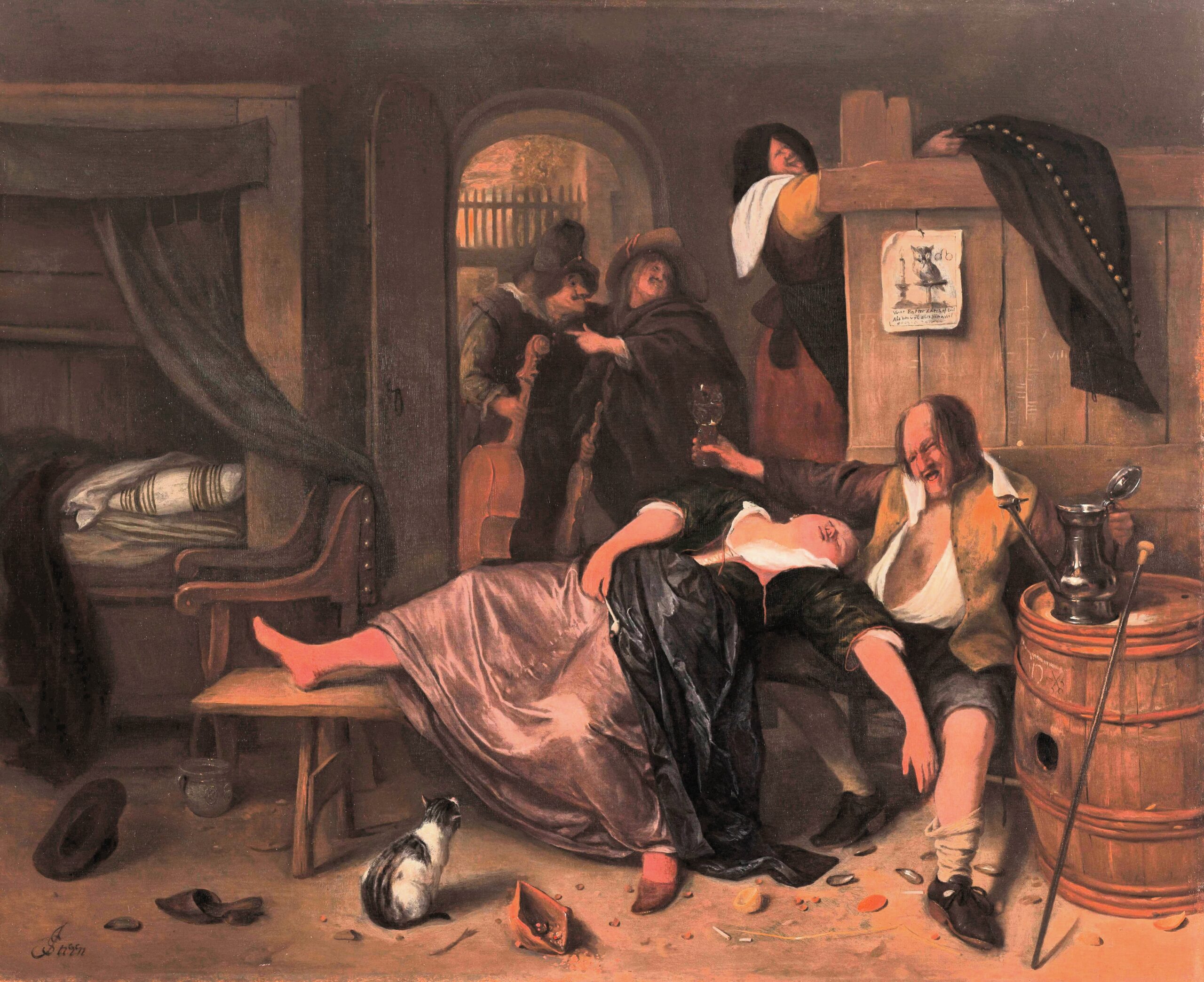
The word fetish enters modern European languages through the French fétiche, derived from the Portuguese feitiço, which in turn comes from the Latin facticius, meaning something made, fabricated, artificially produced. In the Portuguese colonial encounters along the African coast, feitiço designated objects believed to be charged with symbolic and magical power, capable of acting upon the world and the psyche. Fetish is enchants, captures the imagination and creates grooves of repetition that function automatically, operating as a psychic totem.
Within occult and magical traditions, this mechanism is described by the concept of the egregore. An egregore is a thought-form which, when fed by repetition, emotional charge and sustained attention, acquires autonomy. What begins as a mental creation ends up conditioning its creator, demanding energy, time and psychic investment, like a symbolic parasite.
When we examine fetish this way, it is evident that its nature is more than sexual. Sexuality is just one of the fields in which enchantment operates, also because it is so sensory and imaginal. We need only to go back to the Marxist use of the term, where the fetishism of commodities describes this transfer of symbolic power onto objects that then dominate the collective imagination. Fetish is a phenomenon of enchantment.
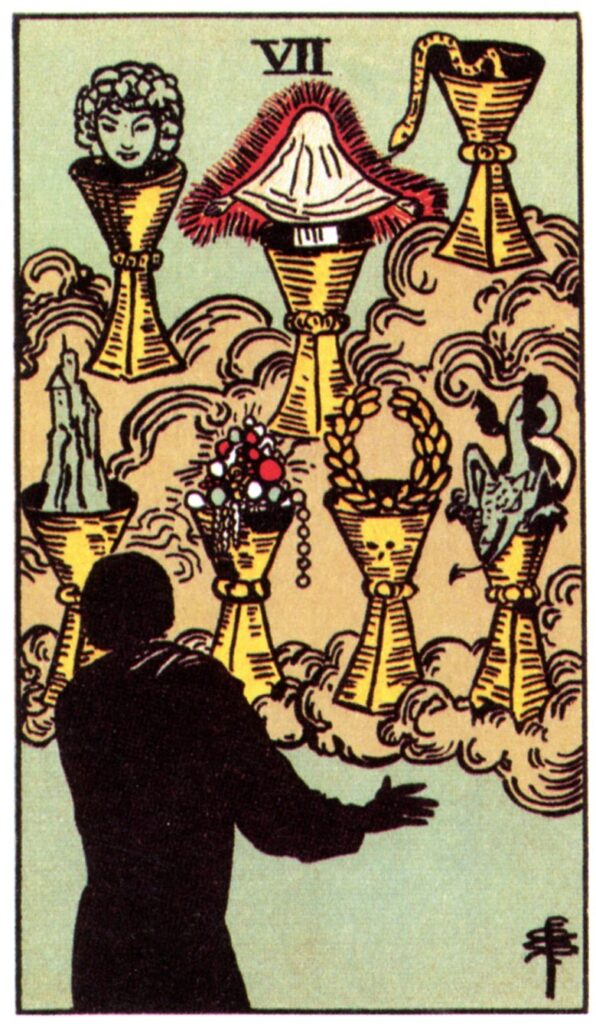
In the Tarot, the card that crystallises this mechanism is the Seven of Cups. Astrologically, it corresponds to Venus operating on emotion and sensation. So far, so good. Venus delights in the pleasures of the five senses. She rules the Water triplicity too and her constitution, which is cold, moist and nocturnal, inclines her towards the emotive, the receptive and the sensitive.
However, in the Seven of Cups, Venus is in Scorpio. And this is where the dynamic becomes troublesome. Venus is in detriment in Scorpio, a fixed Water sign, dense and possessive. Scorpio is ruled by Mars, the zodiacal opposite of Venus. Where Venus seeks to unite, Mars seeks to separate. So Venus does not only experience pleasure, but becomes enthralled by it and its sources. She now loves the sudden chemical discharge, the raw intensity, the rush of self-indulgence. Scorpio also governs the sexual organs and the term venereal derives directly from Venus. Together they create an explosive recipe.
The Kabbalistic correspondence reinforces this reading. All the sevens in the Tarot correspond to Netzach, the sephiroth of emotion, desire and pleasure. This doubling of Venusian energy creates a Venus hypnotised by herself, absorbed in enjoyment, trapped by the fetish she herself engenders. The Seven of Cups is a card of self-hypnosis, of illusion, of a spell that deforms Eros. Venus loses her celestial, Uranian side and becomes diseased by fixing herself exclusively on the sensory plane. Everything is horizontal, a dead-end, with no looking upwards.
This is why the card is so human and so uncomfortable. That which is erotic in the human being, that libidinal compulsion which seeks pleasure and release, is also where deformation most takes root, where clarity is lost, and where submission to sensory egregores occurs. Desire, when fixed, becomes repetition to the point of dullness, numbness, and pain.
We must not forget that Scorpio, as a fixed sign, grips, binds and does not let go. Breaking the spell of this Venus is not easy, because it involves dismantling an emotional structure that feeds itself on the very pleasure it promises. The Seven of Cups exposes the moment when desire ceases to serve life and begins to demand devotion, cult, and adoration. Like a false idol. It is there that the fetish reveals its true face.
Kύριε ελέησον