
In modern occultist/magic circles, we keep finding this discourse on training the will. It always requires means of ascesis (which means training, by the way), such as performing the same rituals every day at the same hour, invoking protecting forces, banishing mallevolent ones, ablutions, abstaining from alcohol, food, sex and/or other earthly pleasures during specific…

In traditional astrology, the 9th House is called the House of God. We cannot take this literally, as if God could reside in a division of the astrological wheel. The Divine exceeds the entire figure. He is above it, within it, before it, and beyond it. The Ninth House is “of God” not because it…

Tomorrow is the beginning of Lent, the period of forty days until Easter. The number 40 is an architecture in itself. It is the multiplication of 10 (the number of full manifestation in Pythagorean arithmetic) by four, the number of the structure of the created world, the four elements, the four gospels, the four cardinal…

The word information comes from the Latin informare: in- (within) + formare (to give form, to shape, to mould something). This is seen in philosophy. For Plato, Forms or Ideas are intelligible models of reality. For Aristotle, everything that exists is composed of matter and form. Matter is what something is made of. Form, which…

Éliphas Lévi claimed that Arcane IX, The Hermit, symbolises initiation. There are solid grounds for this, and we can extend this reading to the Aristotelian concept of hylomorphism. To begin with, this card is associated with Mercury. Some say that, in the Rider-Waite, the monk is Hermes Trismegistus. Be that as it may, the presence…

When the Portuguese philosopher António Telmo said in an interview “the ideas I have come from the angels”, he was making a precise ontological claim: thought is not private property of the ego. The human intellect operates as a receptive organ. Just as the eye does not create light but receives it, the intellect does…

I was just reading John Michael Greer on discursive meditation, understood as a process that exercises the capacity to work with symbols in an intelligible way, a deliberate training of the symbolic muscle through repetition. Meditation has always been this, before its modern reduction to the exact opposite, the idea that meditating means emptying the…

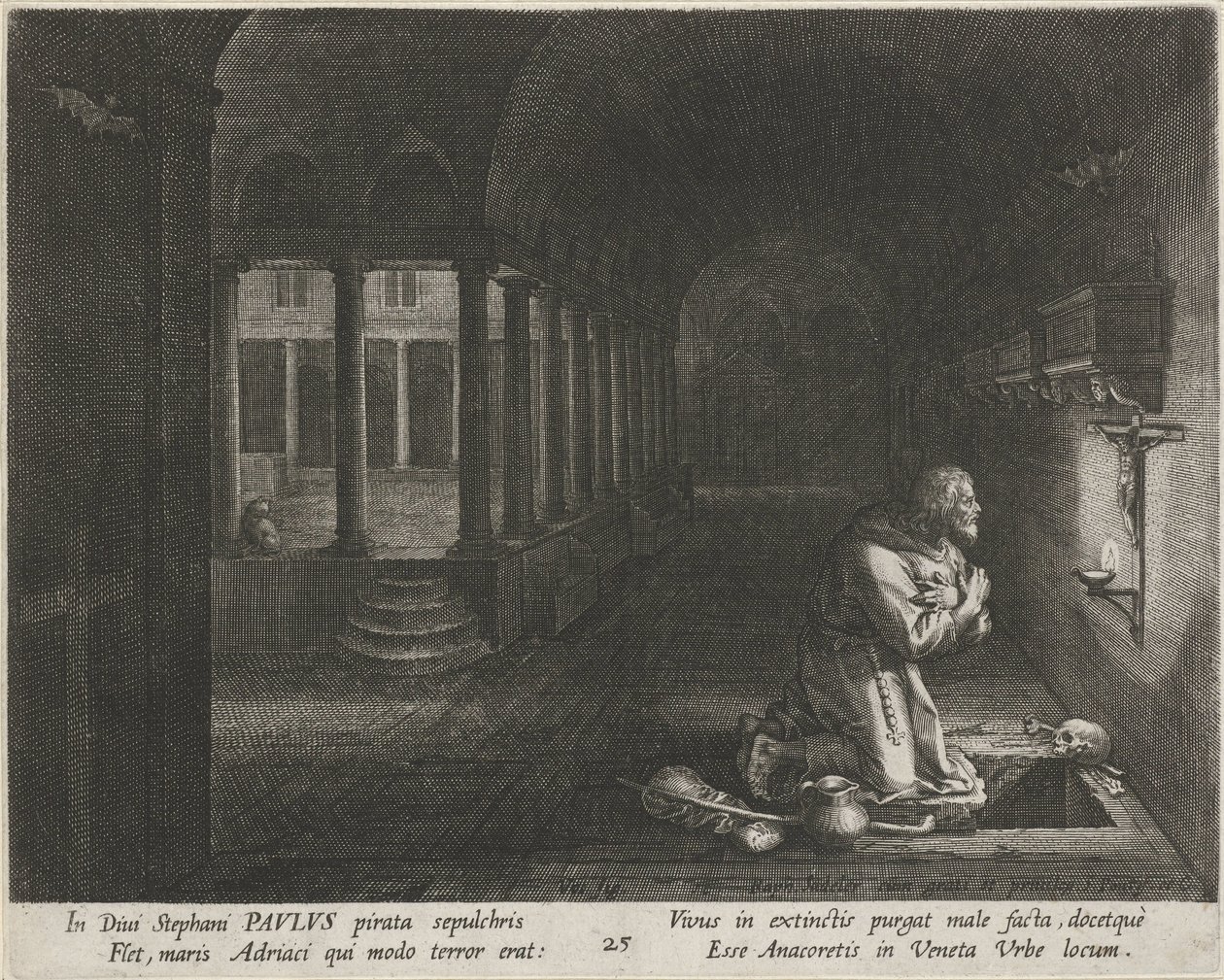
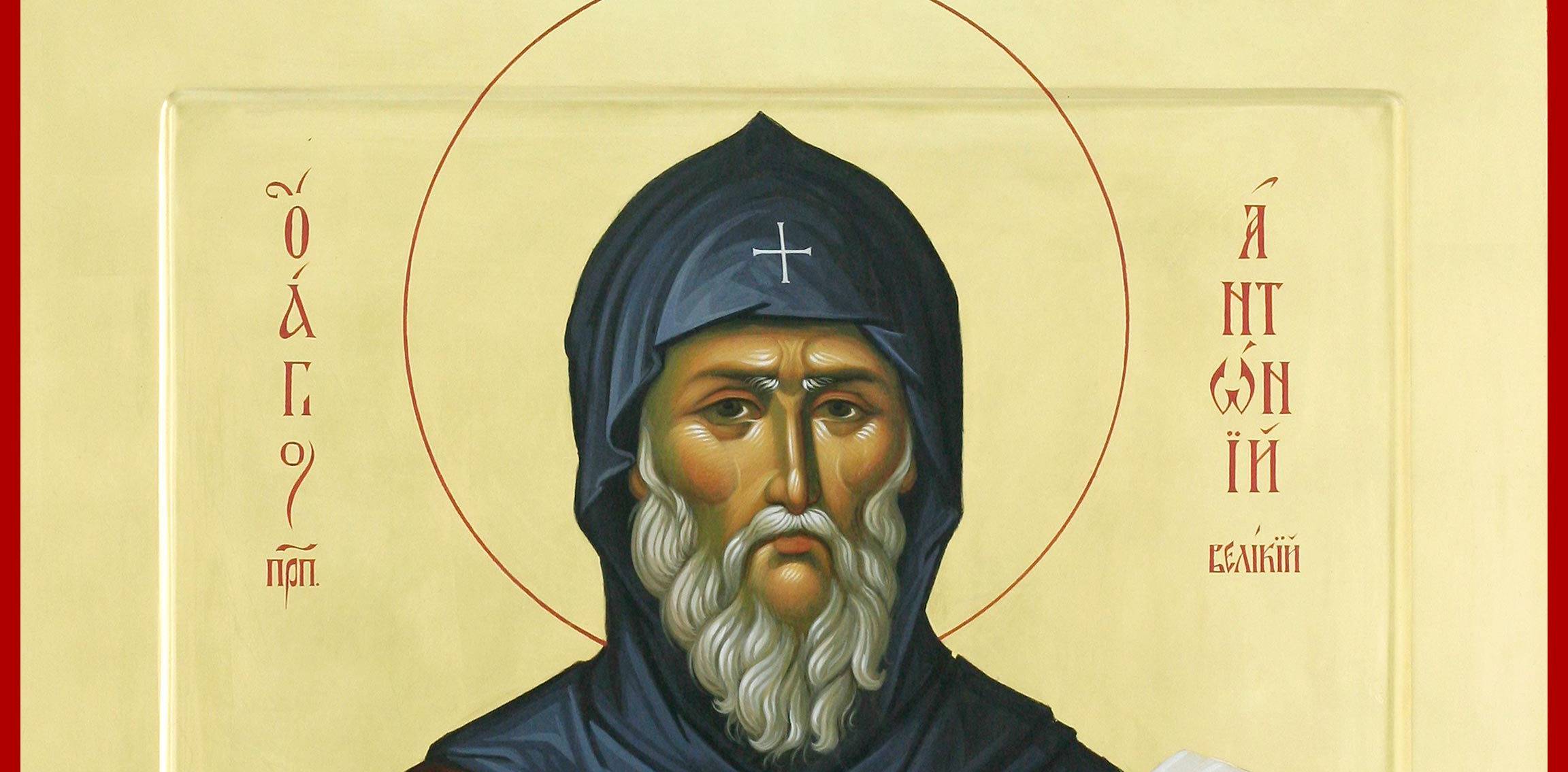
There is a sentimental image of the monk as a fragile old man hiding in a monastery, running from the world out of tiredness, fear, or inability to live. It comes from not understanding what asceticism is. This is clear in the word itself. Asceticism comes from the Greek áskesis. It is training, exercise, discipline.…

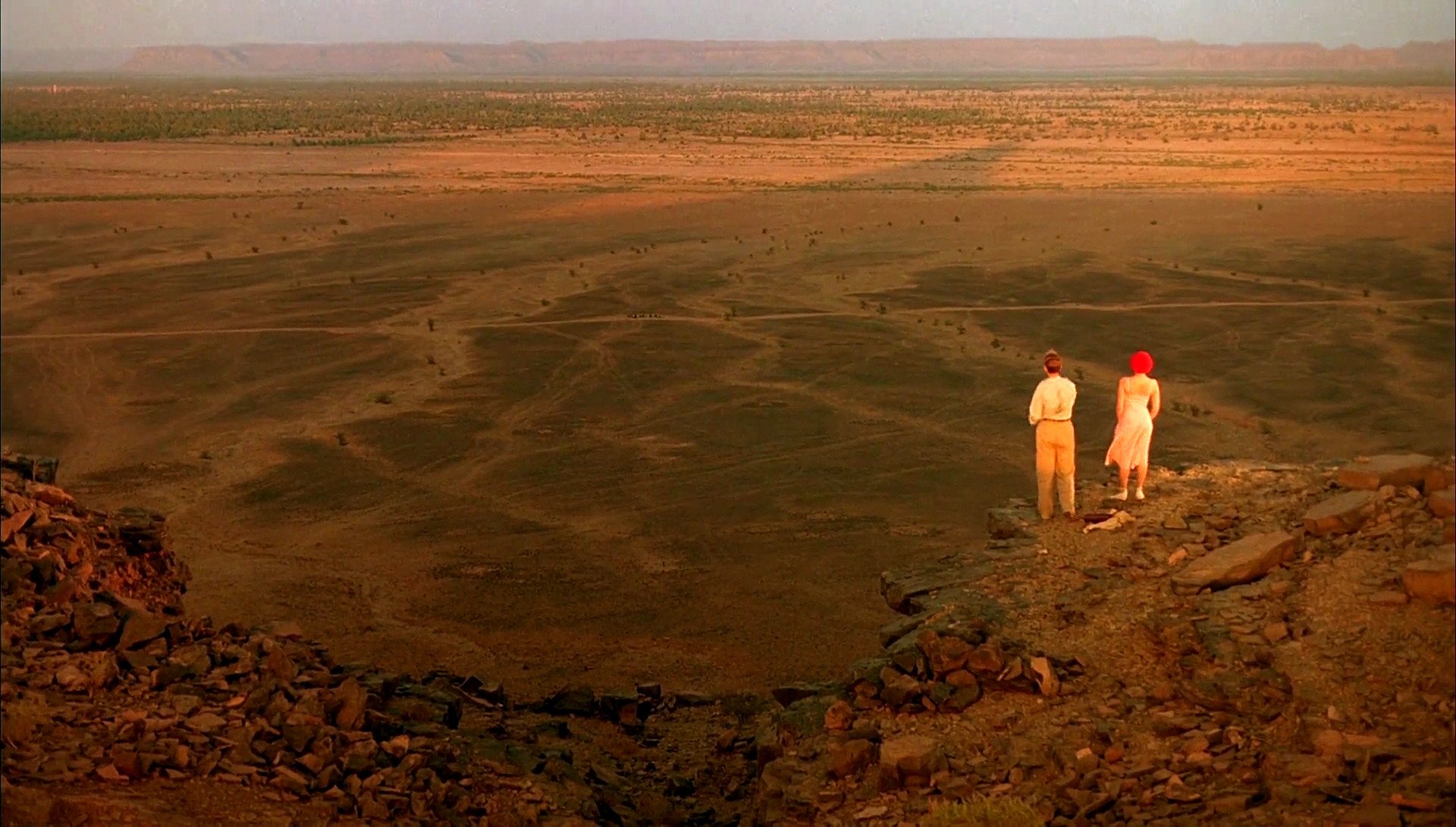
In the opening of Lost, the first track on Neurosis’ Enemy of the Sun (1993), the grave voice of Paul Bowles asks: “Are you lost?”. The sample, taken from Bernardo Bertolucci’s The Sheltering Sky, drifts through the track like an old voice amiss in an electric desert. To be lost is the necessary vertigo before…

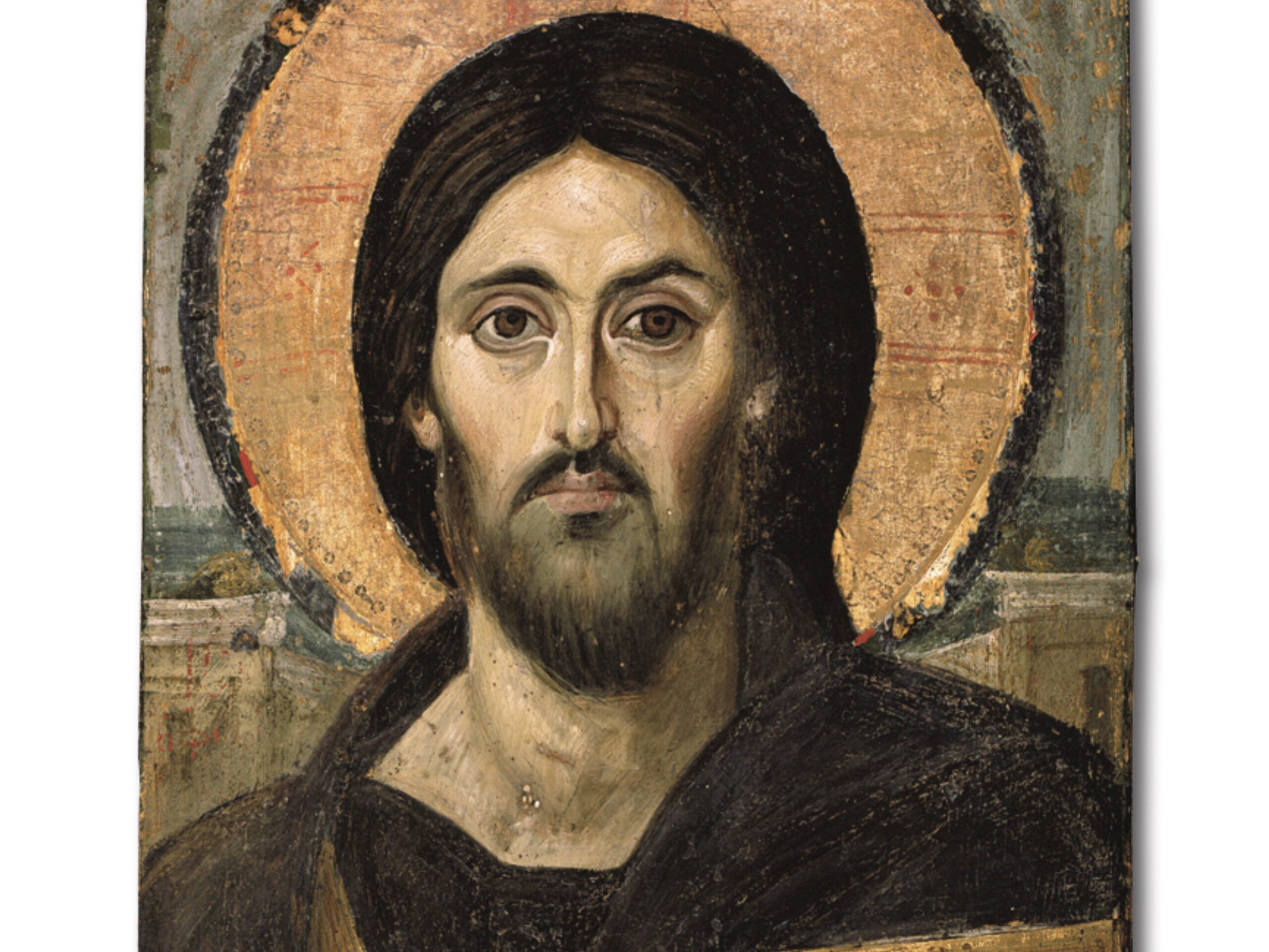
It is Christmas. Right now, in small Bulgarian, Armenian, or Georgian churches, lost in remote villages, the vigil happens. There is no comfort. No electric lighting. No staged décor. There is cold, stone, aching feet, repetition, hours standing upright. The incense weighs on the air. The Pantocrator dominates the dome: an asymmetric face, one side…