
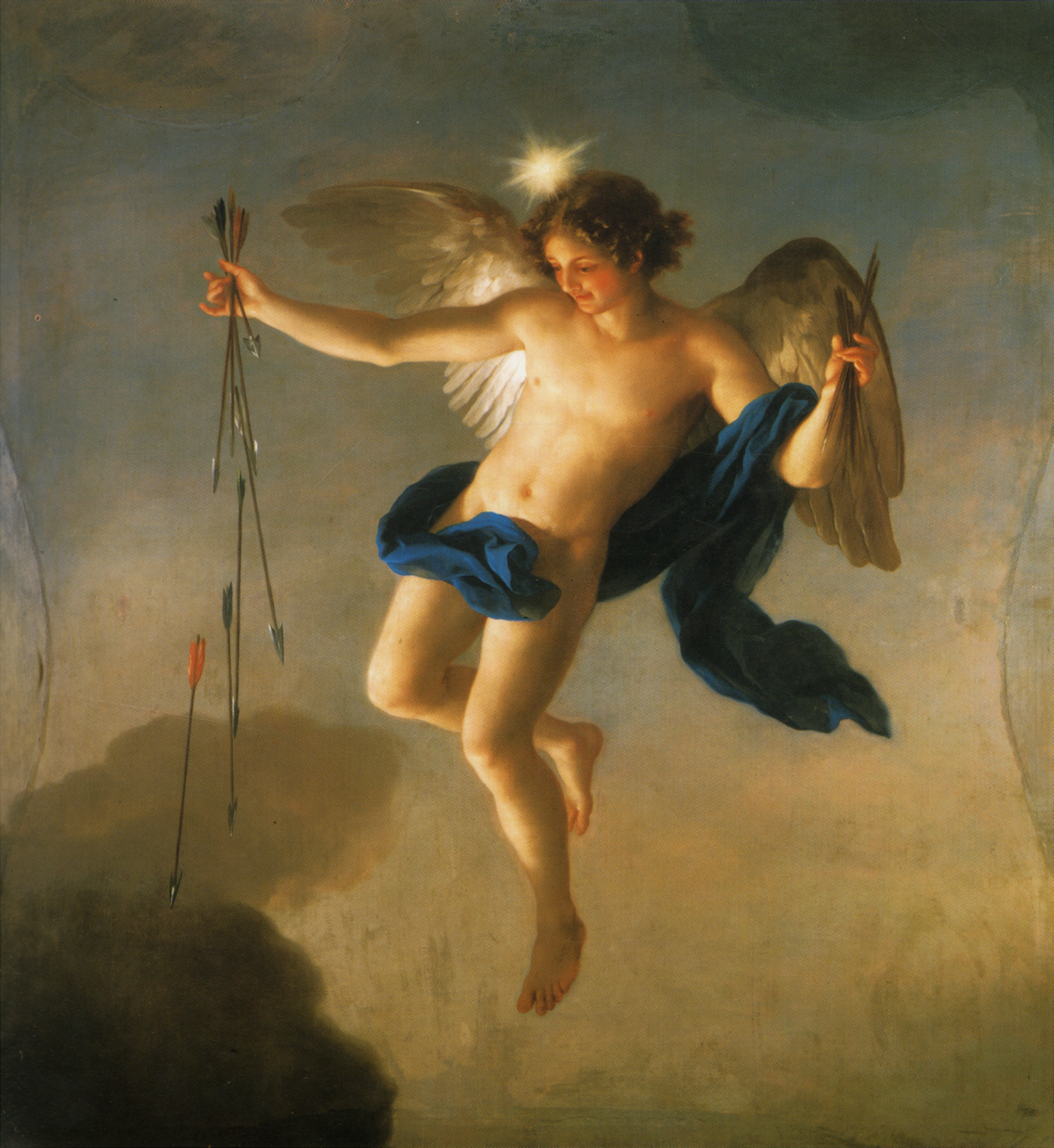
Venus is closing today, November 26, her Luciferian cycle, of the Light that precedes the rise of the day, and enters the invisible heart of the Sun. This is known as the Morning Setting, and it happens today at 24° of Scorpio, the moment when the Goddess ceases to be seen in the sky before dawn and begins her descent into the underworld, towards combustion and purification. Phōsphoros (Φωσφόρος), the Greek name given to this same morning phase, means “the one who brings the light” (phōs = light, phoros = bearer). It is the epithet that, in the Latin tradition, became Lucifer: the bearer of light.
The disappearance of Phōsphoros initiates a period of withdrawal of the Venusian principle: love, beauty, union and desire turn subterranean, interior, closer to the Scorpionic tendency of regeneration and initiatory death. Aphrodite ceases to seduce through form and begins to dissolve through depth. During this descent, Venus is no longer visible and the luminous feminine becomes hidden.
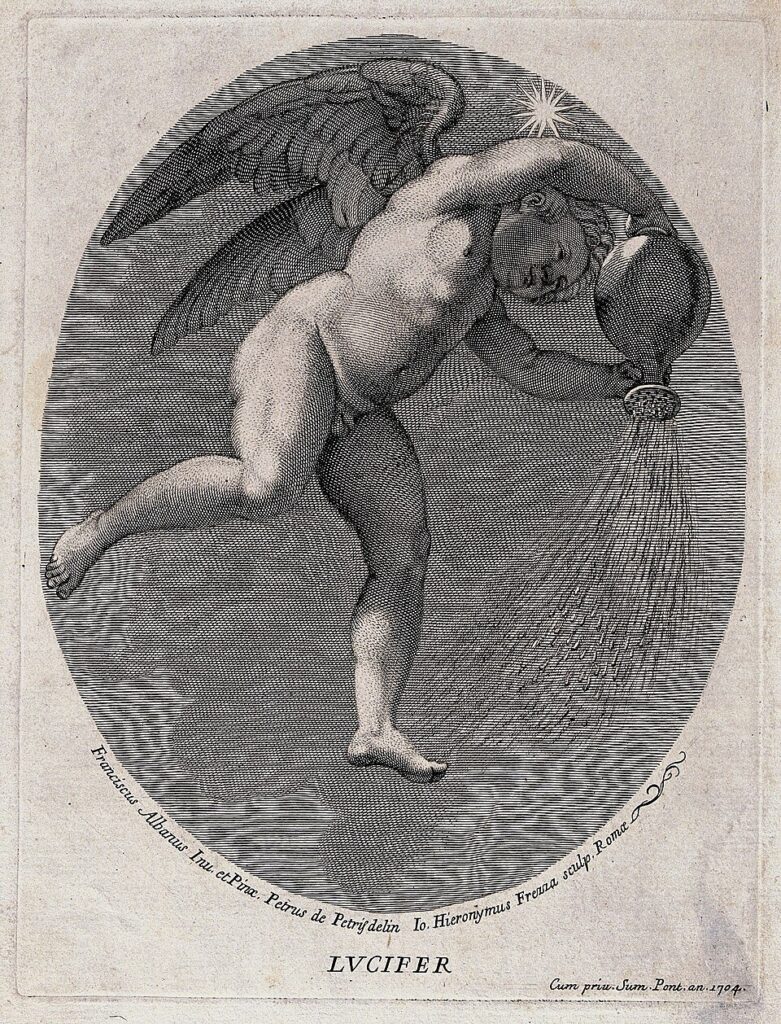
Her disappearance happens in Scorpio, the sign of her nocturnal exile, and echoes Chthonic Aphrodite (or Aphroditē Chthoniā, Ἀφροδίτη Χθονία), the subterranean and initiatory face of the goddess of love. Whereas Aphrodite Urania represents celestial love, inspiration, and ideal beauty, Chthonic Aphrodite embodies the erotic power linked to the earth, to density, death, mourning and regeneration. The epithet chthonic derives from chthōn (χθών), meaning “soil” or “deep earth”, designating the deities who belong to the underworld realm, connected with the mysteries of life and death. In ancient cults, especially in Sparta, Corinth, and Attica, this Aphrodite received nocturnal offerings, sometimes associated with Persephone or Hecate.
When, in approximately one month, the Sun purifies her – the intricate cazimi conjunction of January 6, 2026 -, Venus and Mars will be reborn under the Capricornian light of structure and consciousness. It is a cosmic scene of hierogamy under Saturn. Then, on February 16, Venus will rise again, but this time as Hesperos (Ἓσπερος), “the one who comes from the sunset” as told by the Greeks, the star that shines after dusk. The light returns already tempered by night, transfigured by the experience of the invisible.
Also, Venus will not reappear as the Morning Star for many months. From today until October 2026, she will shine instead as the Evening Star. Her next heliacal rising as Phōsphoros will occur on October 26 2026, eleven months of vespertine phase.
This extended interval completes the full alchemical cycle of Venus: from descent (the Phōsphoros consumed by the Sun), through purification (cazimi in Capricorn), to re-emergence (Hesperos in Pisces) and finally rebirth (Phōsphoros once again in Libra skies). For almost a year, the Venusian light belongs to twilight and night, a time of introspection, emotional distillation, and silent maturation. Only when she returns as Morning Star will the principle of beauty and desire resume its diurnal, outward expression, newly tempered by its journey through the entrails of the earth.
But today is the beginning of that descent, the farewell of light to the eastern horizon, the moment when the Rose closes her petals to dream.
Kύριε ελέησον