
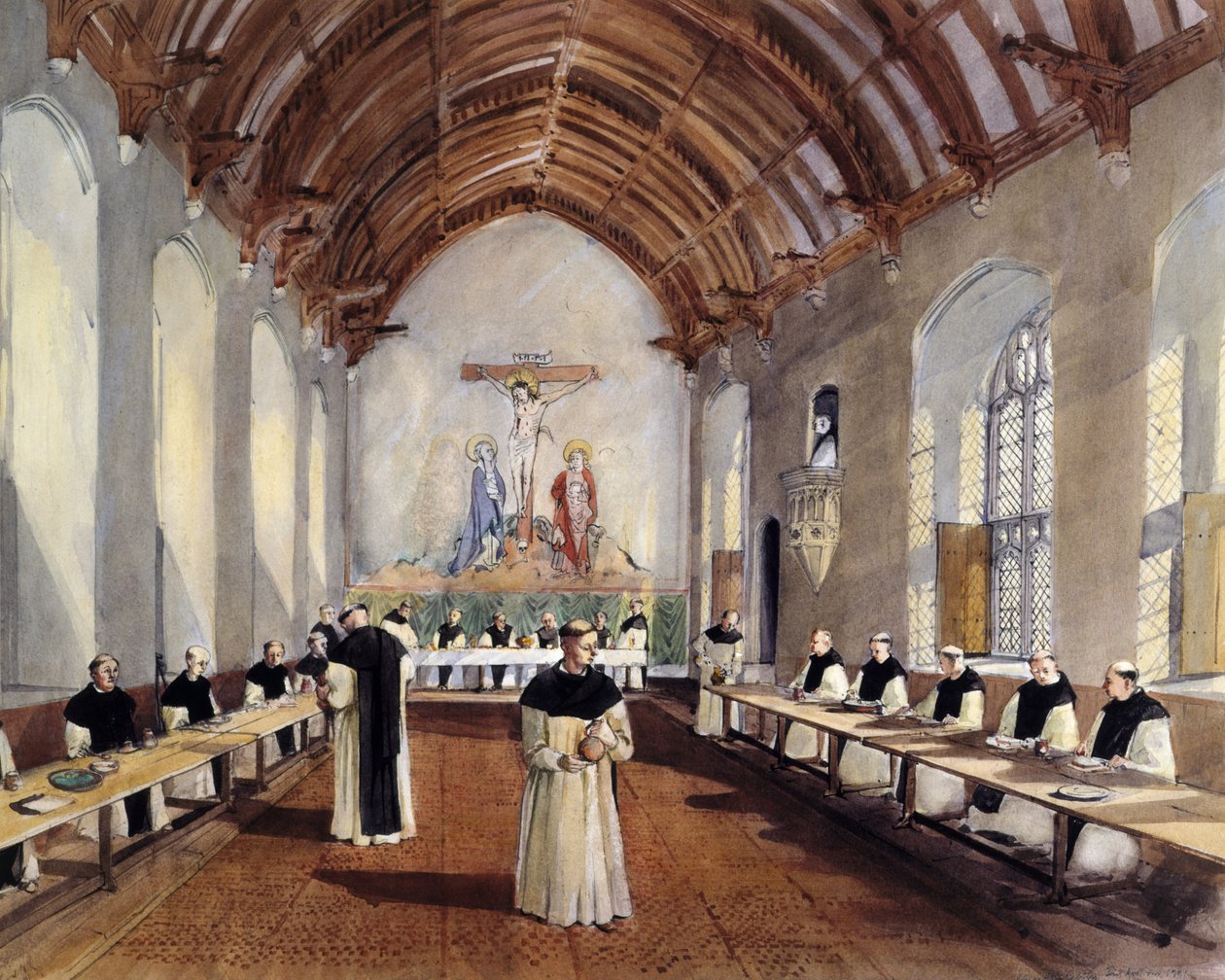
The querent’s question was clear and delicate: should he spend a few days in a Cistercian monastery, in what would be his first contact with monastic-Benedictine life? The moment I opened the chart revealed a telling detail. The Ascendant at 4 degrees of Virgo, a sign of analysis, modesty, and discretion, but too early for a mature decision. An early Ascendant nearly always indicates that the matter is still in germination, that the impulse arises from curiosity rather than conviction.
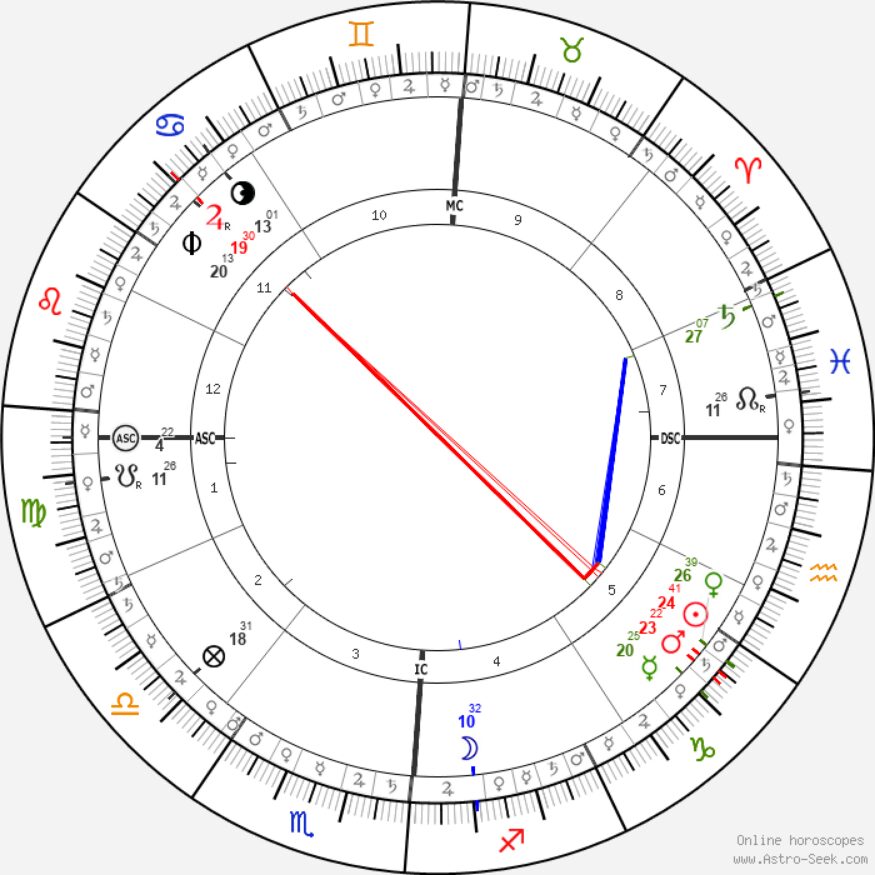
The ruler of the Ascendant, Mercury, is placed in the 5th house, peregrine in Capricorn and combust as it applies to the Sun. Combustion renders the significator blind and, in this case, signifies the querent’s confusion and idealisation regarding the monastic experience. The Sun consumes the lucidity of the Mercurial intellect; rational discernment is overpowered by a near-romantic image of the cloister and contemplative life.
The 5th house also introduces a revealing nuance: the querent views the retreat more as a spiritual pastime, a desire to try out silence, rather than as a rooted vocation. It is the curiosity of the novice, not yet the steadiness of the monk. Moreover, the 5th is the joyous house of Venus, which reinforces this interpretation. Venus is likewise in Capricorn in the 5th, strengthened by the position, but also combust and conjunct Mercury. The fact that Venus rules the 9th Taurus (the domus Dei, the house of God) shows that the devotional impulse is genuine, although filtered through Venusian pleasure, through the aesthetic attraction of the sacred. The playful and idealised tone clearly outweighs any deep monastic calling.
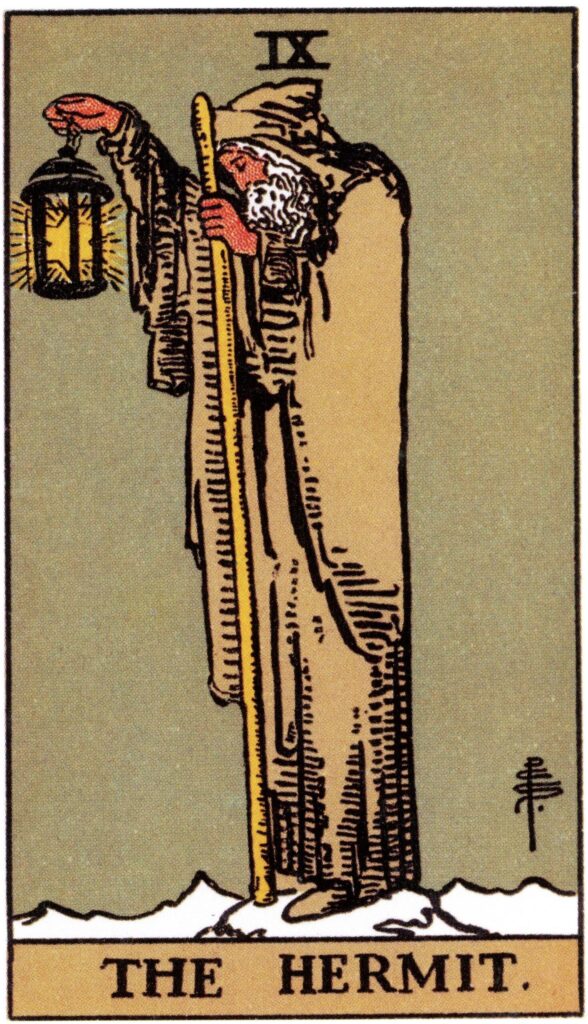
There is, however, one symbol worth redeeming. Mercury in Virgo corresponds to the ninth Arcanum of the Tarot – The Hermit. A card of withdrawn wisdom, as it connects Chesed to Tiphereth, bearing the lamp of inner light. This association confirms that the querent’s impulse has authentic spiritual resonance.
The monastery itself, being a place of withdrawal, is naturally examined through the 12th house. Leo occupies its cusp, ruled by the same Sun that burns Mercury. A solar sign on a house of dissolution is rarely auspicious: it brings heat and light where coolness is required, pride where humility is called for. The conjunction of Mercury with the Sun in austere Capricorn further emphasises the theme of idealisation. The choice of a Cistercian monastery, an order marked by austerity and lectio divina, clashes with the leonine fire that symbolises a quest for identity rather than effacement of self.
Finally, the Moon, the universal co-significator of the question, stands angular at the bottom of the chart in Sagittarius, but void of course. It indicates that, while there is enthusiasm and some faith in the purpose, there is no practical link to other factors that could make it materialise. The impulse finds no echo. The Moon, halted in the subterranean depths of the figure, speaks of an intention that withdraws before acting, a wish without will.
Therefore, the counsel to the querent was prudence: to let the idea mature, to listen longer before acting upon it. The chart reveals that the impulse is noble but premature, and that true retreat demands a less solar, more interior flame.
Kύριε ελέησον