
David Foster Wallace’s chart is the portrait of a mind forged in crystal and iron. Thought was destiny. His Mercury, ruler of both the Moon and the Ascendant, was itself ruled and joined by a fierce Saturn domiciled in Aquarius in the ninth house – domus Dei -, binding soul and flesh to the discipline…

A man once told a story about two fish. One asked: “How’s the water?”. The other had no idea what water was. This parable was retold by David Foster Wallace. But what he offered could stand beside any page of the Zohar or the Corpus Hermeticum. The parable that begins with a fish unaware of…

The ancient verb obedīre conceals an act of luminous listening. It comes from ob- meaning “toward” or “in the direction of”, and audīre, “to hear”. To obey once meant to listen attentively toward a source. Its origin lies in hearing that answers rather than slavery. When the Latin was still fresh, to obey meant to…

Astrology reveals paradoxes hidden within the order of the heavens. When Capricorn, the natural sign of the tenth house, is placed at the fourth, the axis turns inside out. What is usually the summit of visibility becomes the deepest of roots. The mountain sign descends into the cavern. Saturn, ruler of Capricorn, if placed here,…

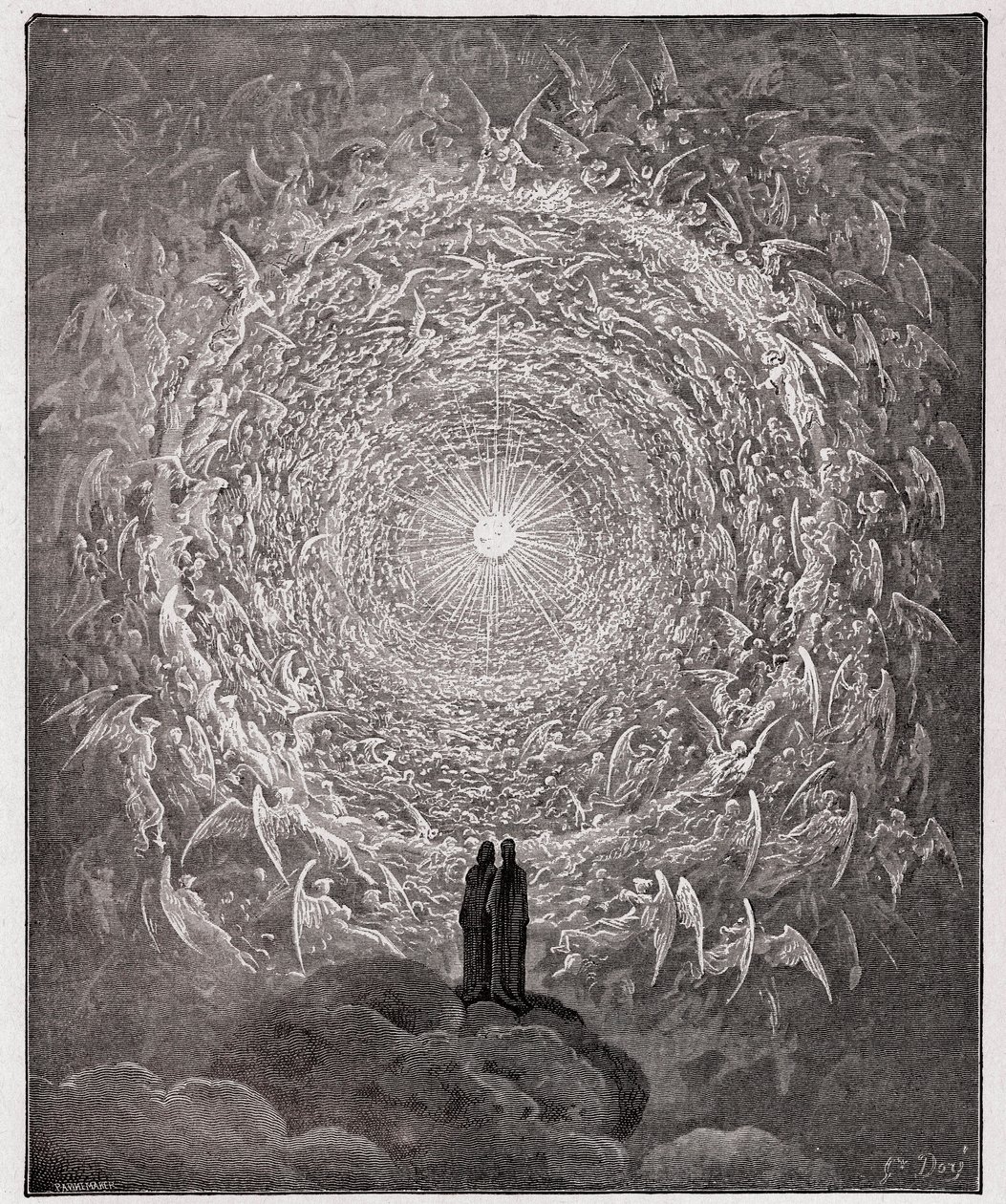
The word empire carries an ancient resonance. It once signified order descending from above, a structure that replicated the harmony of creation and drew earthly power into alignment with the Divine. For Dante, the empire in its true sense was the Empyrean, the region of pure Light where blessed souls abided in union with God.…

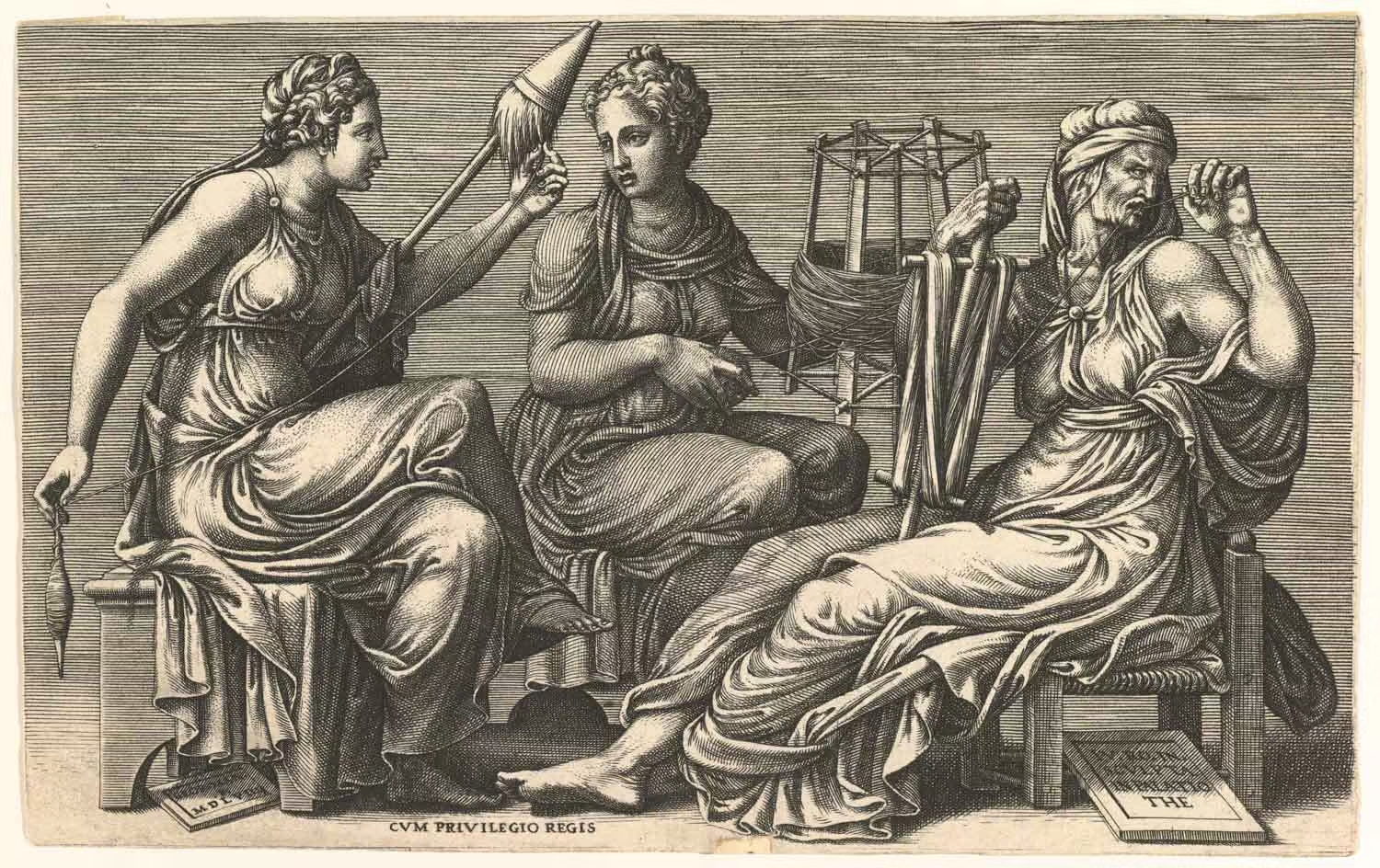
The human being stands beneath the wheeling heavens, woven into their intricate fabric of lights and shadows, obedient to rhythms older than memory. Time is measured by their motion, seasons carved by their courses, fate written in their alignments. The body is pulled by them, the soul impressed with their signs, the mind conditioned by…

Language hides the map of the soul. Words that in daily speech are used lightly once carried within them the full weight of heaven. To consider meant to look at the stars, to stand under the sky, to read in their light the measure of human time. Design comes from the act of marking with…

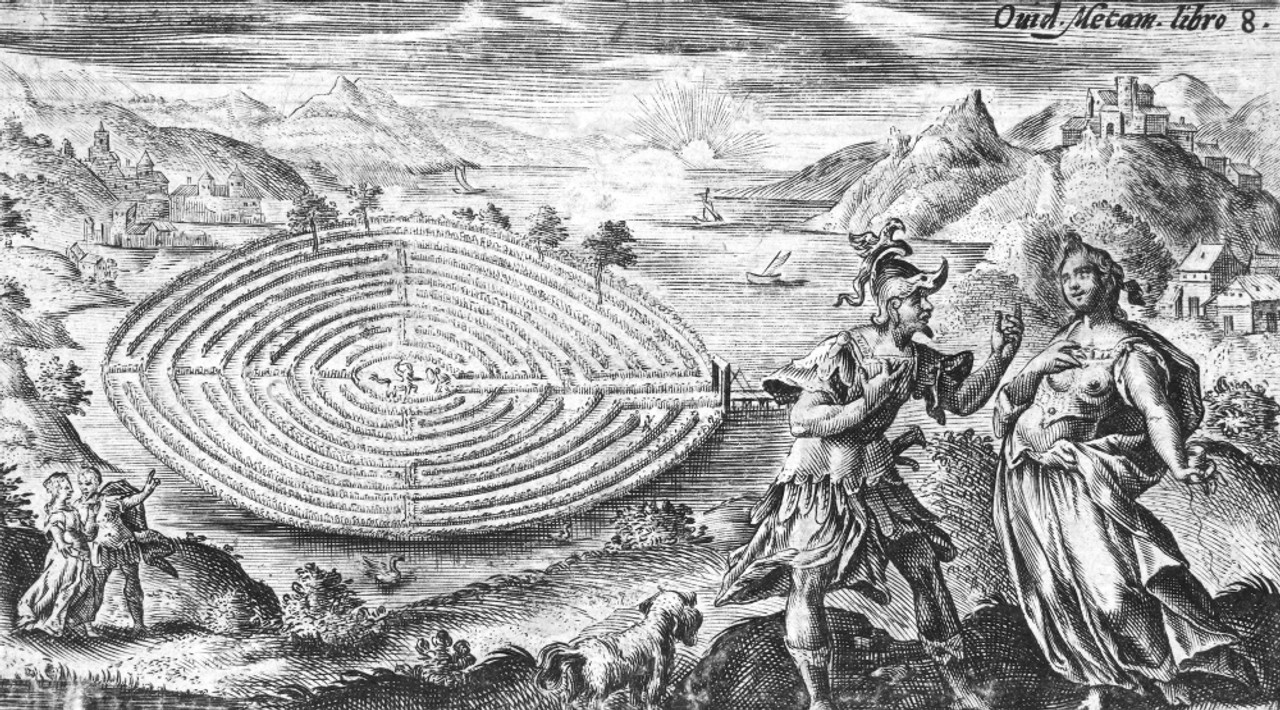
Astrology has long been accused of being a prison of necessity, a web of iron fates traced by the stars upon one’s fragile body. But those who look beyond fortune-telling and prediction find that traitional astrology is more than a fatalistic code. It is a mirror of the labyrinth itself, a language of the cosmic…

In the Genesis a figure emerges who belongs to no line of fathers and no order of blood. His name is Melchizedek, king of Salem and priest of the Most High. He comes without genealogy, without beginning or end, without the bonds of tribe or descent. He reigns in a city that is less a…

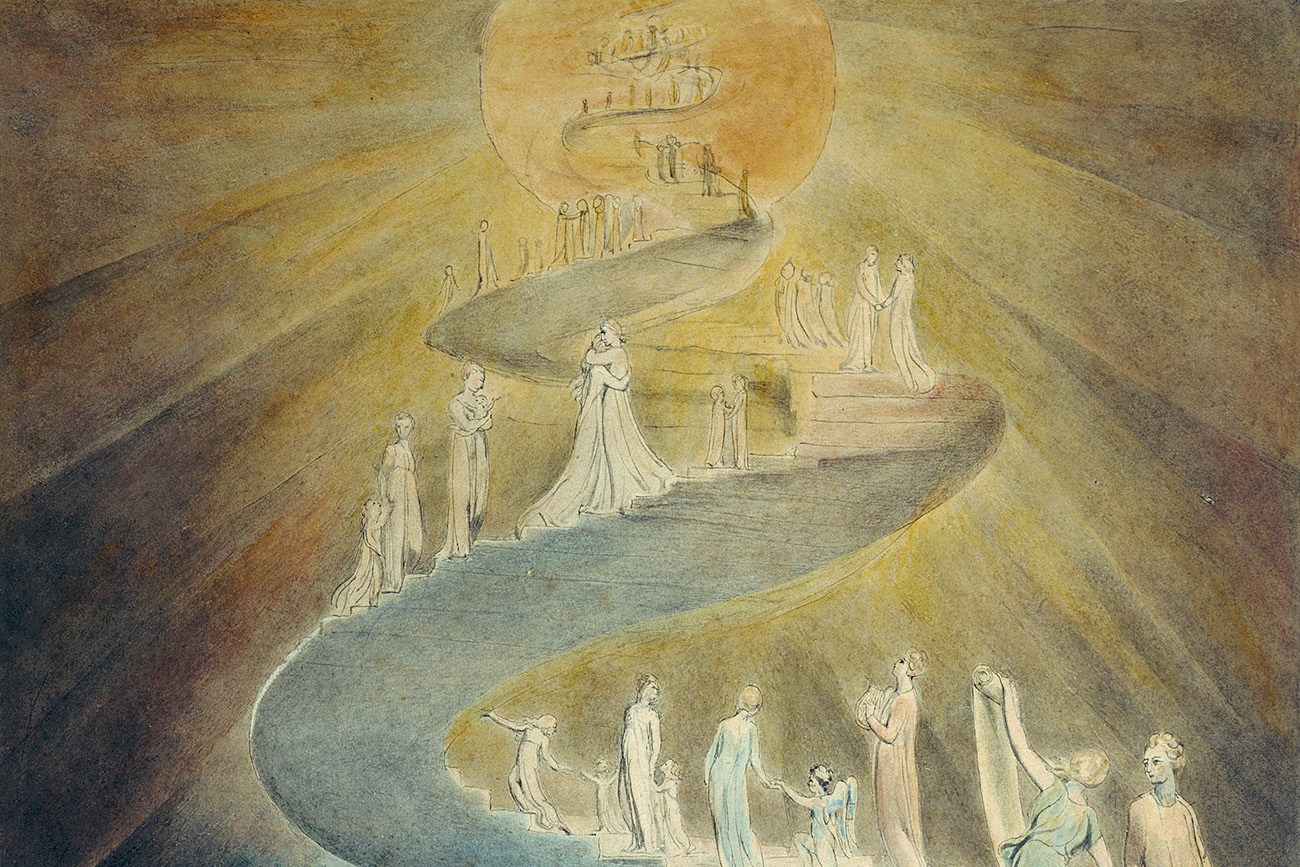
The image of Jacob lying upon the stone at Bethel and beholding the ladder reaching to heaven is among the most luminous passages of Scripture. Angels ascend and descend; the Eternal One speaks; a promise is sealed with the ground as altar. This moment has often been read as a covenantal assurance, but, when placed…