
Today is the November 29, Saturday. In Judaism, this is the day when almost all activities are suspended, especially those tied to labour and production. It is the day of Saturn, the planet of restraint and limitation, when time seems to thicken and grow heavier. There is a particular gravitas to this day, a slowness…

Omphalos (ὀμφαλός) literally means navel. However, in ancient Greek, the word carried a meaning broader than a mere anatomical organ: it designated the point of connection between the inner and the outer, the mother and the child, as well as the cosmos and its origin. When Delphi is called omphalos tēs gēs – the navel…

In the Corpus Hermeticum, Heimarmene is explicitly described as the “governing circuit of the stars,” the chain through which the Divine intellect structures the material world. It is the order (taxis) of the cosmos: an intelligent and binding necessity. Heimarmene (εἱμαρμένη, from meiromai, “to receive one’s portion”) is the chain of causation, the web of…

The All Souls’ Day always takes place when the Sun crosses Scorpio. The same drama repeats itself each year, with Christ-Logos descending into the black waters, and consciousness faces its own reflection in the deep. The Sun that rules the living walks for a time among the dead, and the veil between both worlds grows…

Languages do not die. The words uttered in temples and deserts remain suspended in the subtle air, their syllables repeating themselves in the invisible. Each sacred tongue becomes a vessel of vibration; through long use it condenses into a presence, a field of memory. The prayers of the dead stratify the astral atmosphere, forming egregores.…

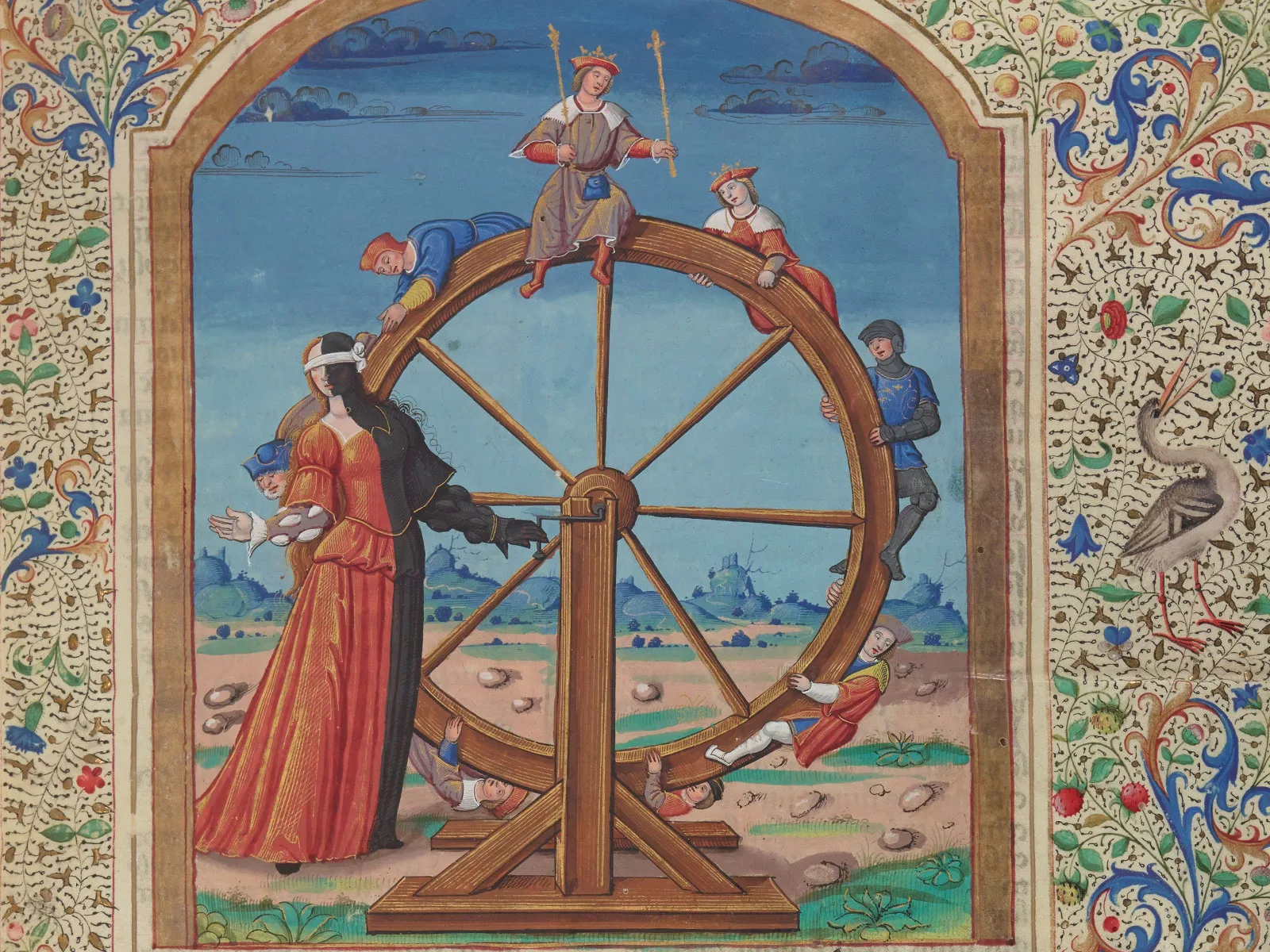
The soul moves in circles. It descends, forgets, and rises again through the long geometry of time. Every civilisation that looked at death saw this motion turning behind the veil of the world. The wheel repeats itself through Egypt, India, Greece, or the secret heart of Israel, pointing to the same transmigration. Its revolutions are…

In the Letter to the Colossians, Paul speaks of a mystery hidden from the ages and now made manifest: Christ in you, the hope of glory (Col. 1:27). I. The Fulfilment of the Body The phrase is literal, as it declares an indwelling presence, a Divine seed that must grow until it takes form in…

When Christ declares in Matthew 5:17, “Do not think that I have come to abolish the Law or the Prophets; I have not come to abolish but to fulfil”, He invokes one of the most profound mysteries of Christian gnosis. The verb πληρῶσαι (plērōsai) means to fill, to make whole, to bring to completion. It…

The ancient mind intuited that what appears is only half of what exists. The visible is the clothing of the invisible, the surface of the flame rather than its source. Kant gave this intuition a rigorous name when he spoke of the noumenon and the phenomenon. The distinction was philosophical, but it concealed an older…

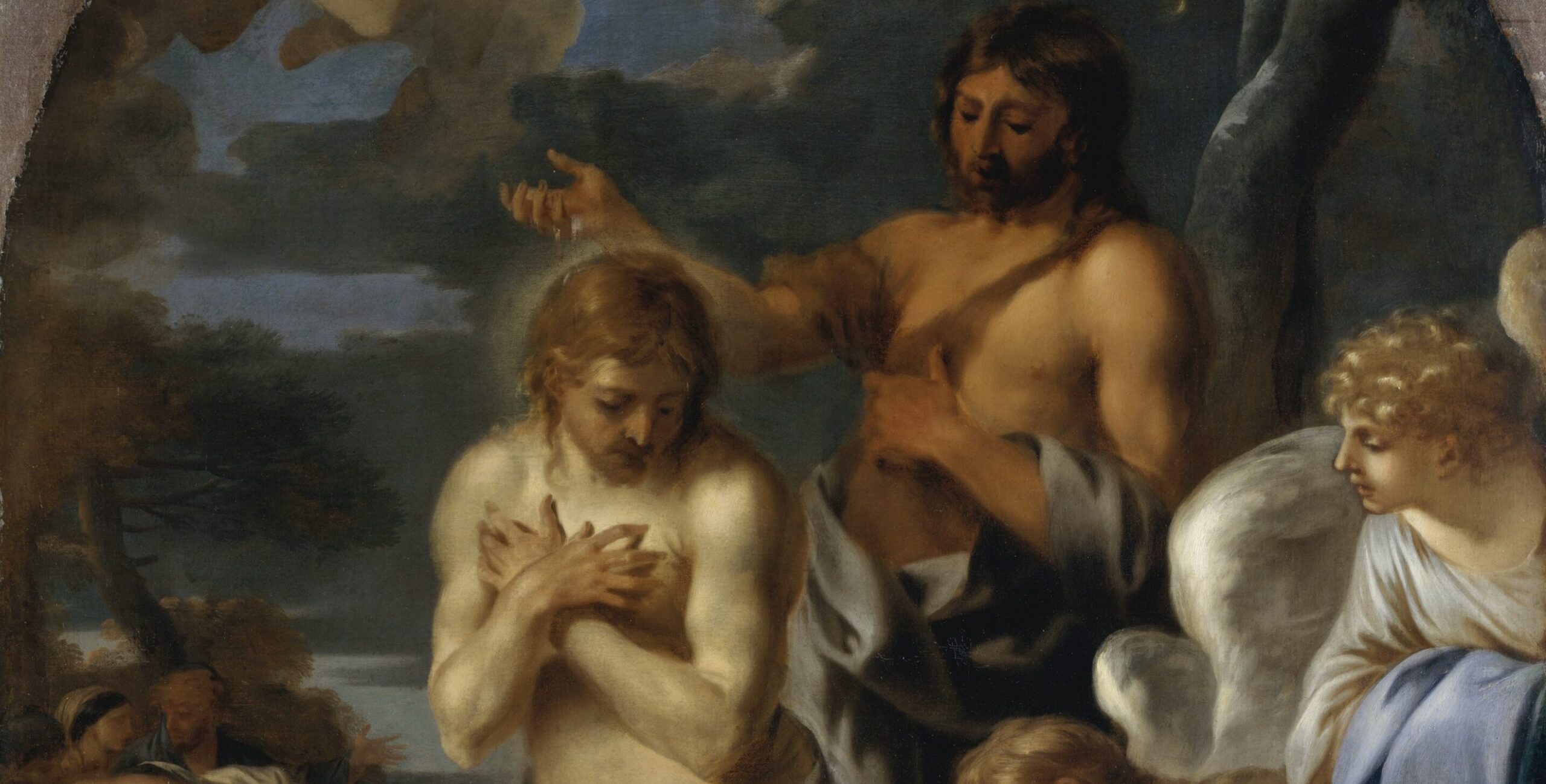
Baptism used to be a descent into the womb of the cosmos itself. The word baptisma comes from the Greek βαπτίζειν (baptizein): to immerse, to submerge, to dye. The root bapto was used for dipping linen into pigment or plunging iron into molten liquid. It meant a total penetration, a transforming contact. To be baptised…