
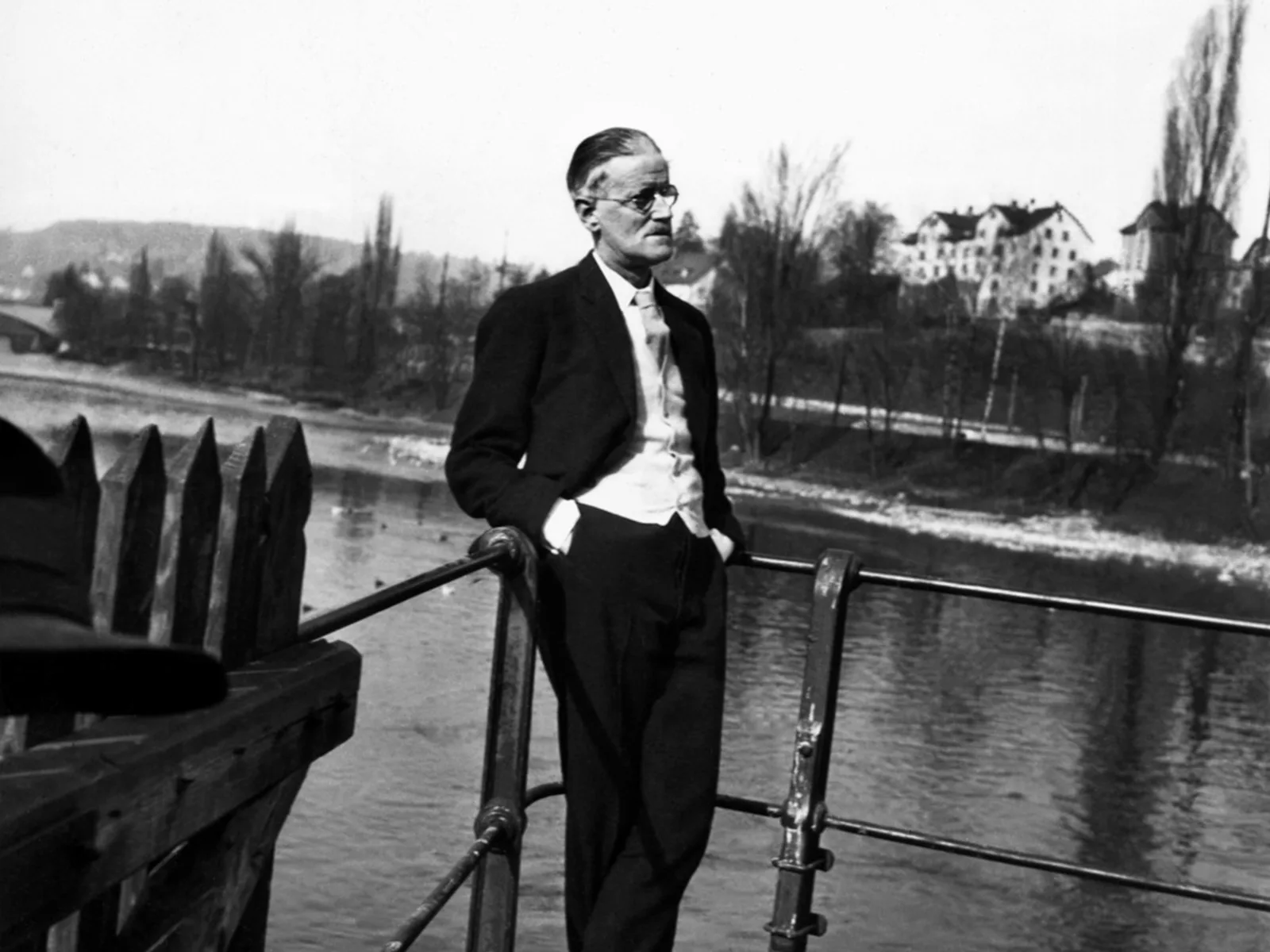
When analysing the health of James Joyce, born on February 2, the element that immediately imposes itself is the configuration of the 6th house, the house of diseases properly speaking. We should make an essential distinction in traditional astrology. The 1st house concerns the body as a vital unit, constitution. The 6th house refers to diseases themselves, involuntary afflictions, evils that befall the individual without fault of their own, the wear of daily life, and the conditions that corrode existence through servitude and repetition.
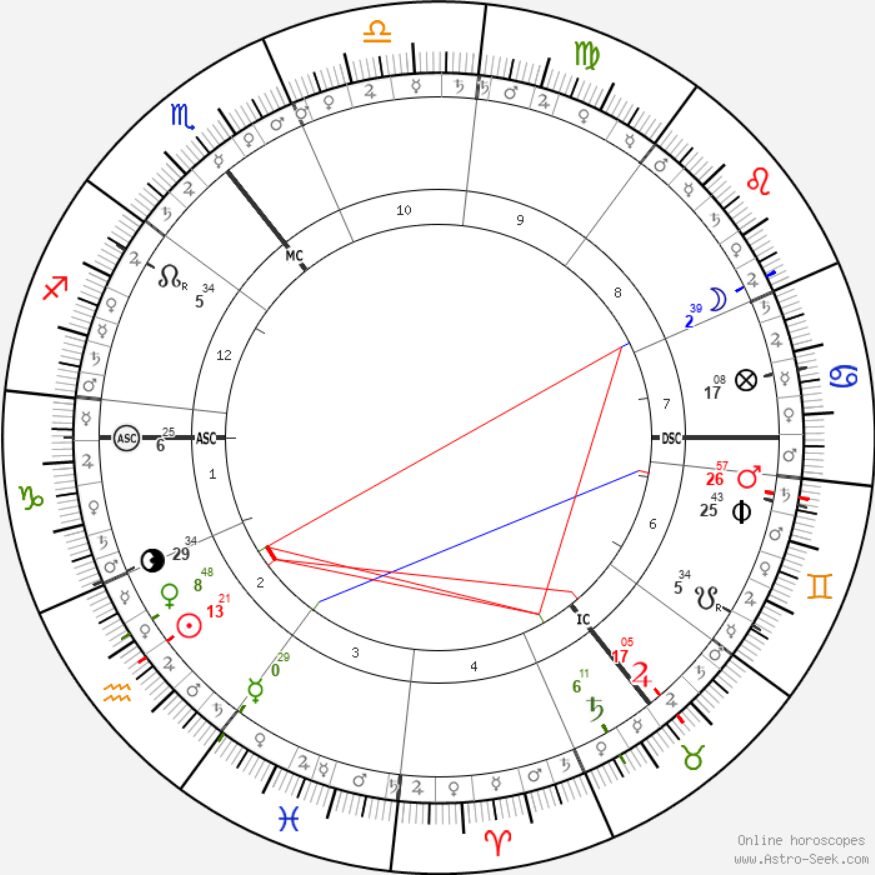
In Joyce’s chart, Mars is in the 6th house, its accidental joy. This is a joy that becomes dangerous when it concerns a malefic. A malefic planet in the house that best corresponds to its nature transforms that territory into the field of execution of its maleficence.
This Mars is in Gemini, an airy, hot and moist, masculine sign. Mars, a hot and dry, masculine and cutting planet, operates here a persistent corrosion that affects the rational, nervous, and functional level, without losing sight of the matters proper to the 6th house: exhausting daily work, servile routines, recurring illnesses, ailments that are rarely immediately fatal, but which accumulate, return, and consume the individual through repetition. Joyce’s life was an existence marked by obsessive intellectual labour, irregular schedules, continuous tension, and an almost servile relationship to writing, paid for with the body.
That Mars is stationary is crucial. The extreme slowness of its speed concentrates its action in a single area of the chart, making its maleficence less explosive, but more continuous, denser, and more difficult to eradicate. It is a process of prolonged wear, made up of flare-ups, relapses, and convalescences. The planet is about to enter direct motion, which corresponds well to a picture of chronic illness with successive acute episodes, rather than total loss of function or sudden death as it would be with a station-to-retrograde motion.
According to William Lilly, Gemini rules diseases of the arms, shoulders, hands, veins, corrupted blood, and disturbances of the mind. Being an Air sign, the martial influence in Gemini affects the nervous system and mental health. Throughout his adult life, Joyce suffered from nervous disorders, insomnia, extreme anxiety, and constant rumination. Also, from severe and recurring eye diseases, including iritis, uveitis, glaucoma, and successive retinal detachments, which led to surgeries and prolonged periods of partial blindness.
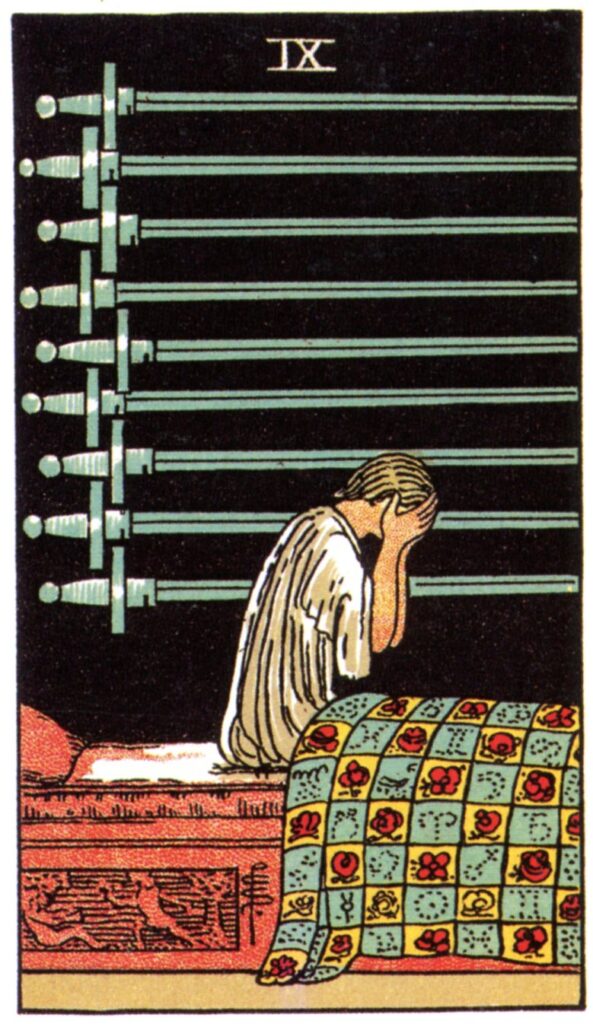
This mental correspondence is reinforced by the Egyptian decans as applied to the Tarot. The Nine of Swords corresponds to Mars in Gemini, a classic image of anxiety, circular thoughts, insomnia, and mental self-destruction.
Mars is disposed by a debilitated Mercury, which is in Pisces, in detriment and fall. The planet of intellect, language, rational articulation, translation and conceptual discrimination is forced to operate in an oceanic, undifferentiated, and dissolving, confusing sign. Mercury loses its capacity to measure, order, and separate, being compelled to work with fluid, unstable material. Joyce’s mind was fertile, inventive, and visionary, but unstable on a functional level, incapable of rest, and constantly subject to excess stimulation.
By Whole Signs, Mercury occupies the 3rd house; by Alcabitius, the 2nd. In both, the implication is clear. Joyce’s health problems were related the immediate daily life, mundane communication, short journeys, and tense relations with his close environment; and also to matters of subsistence, money, and material security. Joyce lived much of his life in financial difficulty, dependent on loans, the help of friends and patrons, and constant changes of city and country. Since Mercury is the ruler of the 6th house in Gemini, any disturbance in these areas directly affected daily health, aggravated by the presence of Mars as the main executor of harm.
There is still mutual reception by triplicity between Mars and Mercury, as well as a separating trine between them, which guarantees a certain degree of functional cooperation. The machine worked, the system communicated with itself. But this collaboration does not resolve the underlying issue. Two debilitated principles can cooperate effectively, but that effectiveness exacts its price from the body. Harmony between two sick planets does not generate health, only continuity in wear.
When we see the remaining rulers of the Air triplicity, Saturn and Jupiter, another focus of tension emerges. Both are in the 5th house, in Taurus, without major dignities, although Jupiter is in its term. The house of creativity, pleasure, and generation was a heavy and onerous place in terms of diseases, as Saturn and Jupiter ruled Gemini by triplicity. Joyce’s literary work, profoundly innovative, was produced under physical suffering and limitation.
Jupiter and Saturn are also in opposition to the Sun, a significato of vital life. The Sun, already weakened by being in Aquarius, the sign of its detriment, receives these oppositions as direct attacks on vital force. Saturn, the planet of death, in particular, is in separating opposition to the Sun and in applying opposition to the Moon, striking the two hylegical luminaries. The Moon is even more important, being the luminary of the sect, and is in the 8th house, in Leo, the house of death, sudden accidents, anxiety, and exposure to risk, disposed by a weak sun in detriment in the 2nd and afflicted by Saturn, the planet of death.
Saturn is also the ruler of Joyce’s Ascendant, becoming the ultimate significator of his physical constitution and overall health. When the ruler of the body afflicts both luminaries and participates in a network of oppositions and harmful dispositions, this is a structural condition of fragility, limitation, and prolonged suffering. Joyce died at the age of 58, in an 11th year in terms of profections, with Scorpio rising, placing the year under the rulership of that Mars in Gemini in the 6th, the main executor of disease throughout his life, with Saturn also activated by Firdaria as sub-ruler.
Kύριε ελέησον