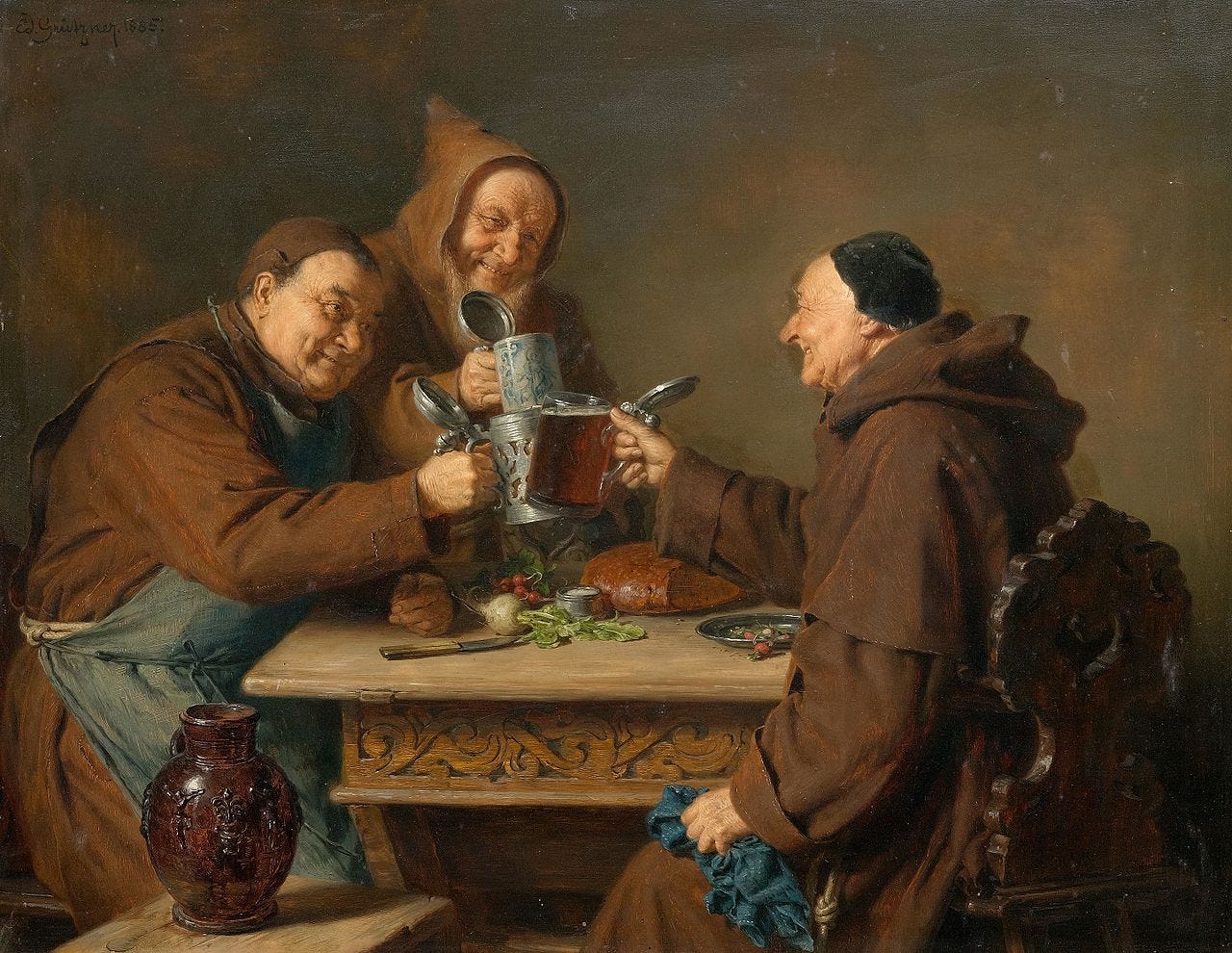

I visited the Kulminator in Antwerp on a cold afternoon around 2017 or 2018. The place was discreet, with the modest charm of a tavern that time had forgotten. At the entrance, the owner, an elderly man with a severe face and eyes that missed nothing, stopped us before we could step inside. “To drink…

The letter Tau (Τ) occupies the nineteenth place in the Greek alphabet and contains one of the most ancient seals of consecration in the sapiential tradition. From the prophets to the initiates, its cross-shaped form is a sign of election, boundary, and passage. In Ezekiel 9:4, the Lord commands the angel: “Go through the city,…

The Hebrew word נִקְפָּה (nikpáh), translated as rope, girdle, or braided cord, derives from the triliteral root נק״ף (naqaf). The semantic field points to the act of circling, surrounding, or encircling. In Scripture, naqaf describes the movement of going around a city (Joshua 6:3) and also the gesture of forming a ritual circle. The image…

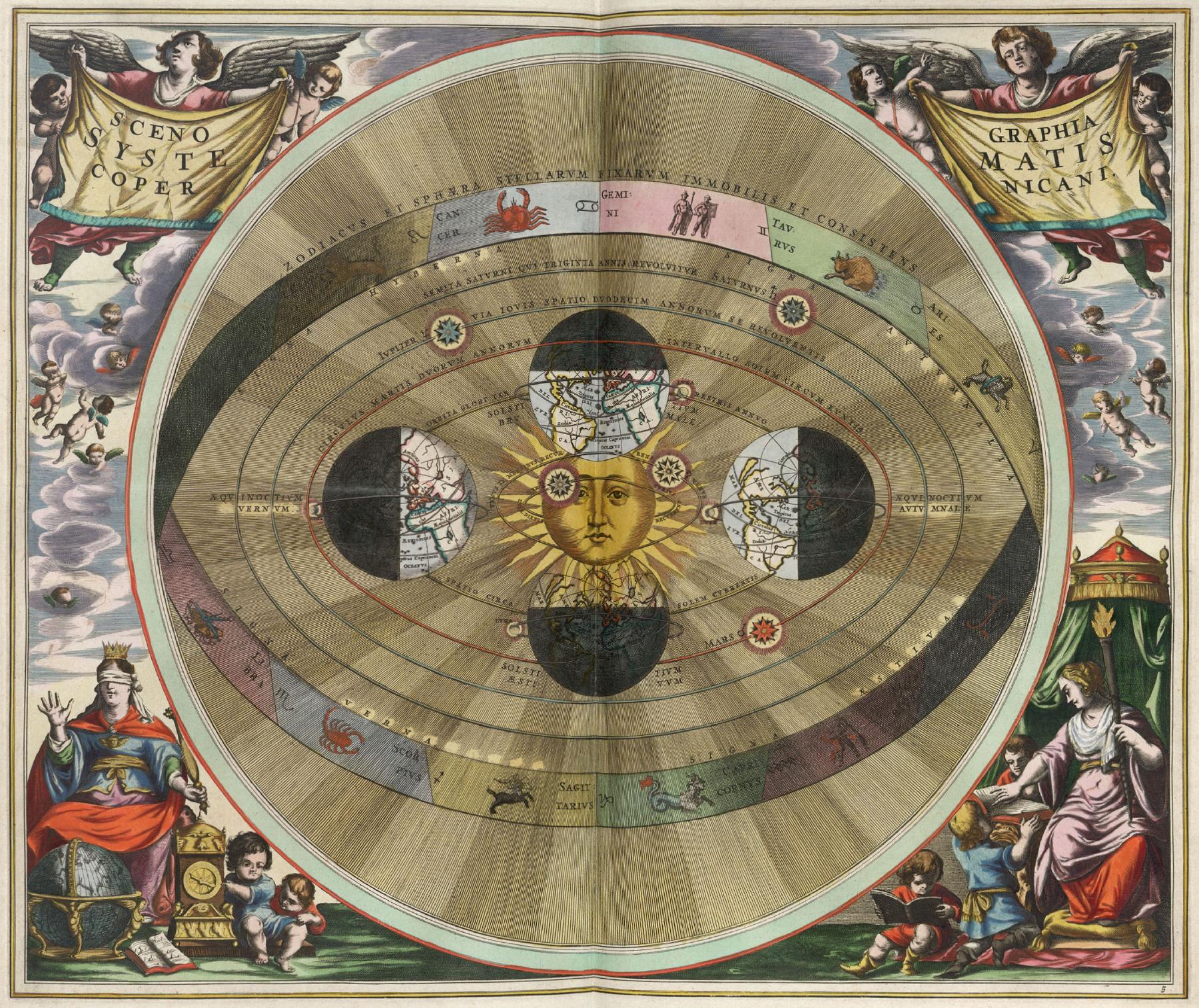
Today is the November 29, Saturday. In Judaism, this is the day when almost all activities are suspended, especially those tied to labour and production. It is the day of Saturn, the planet of restraint and limitation, when time seems to thicken and grow heavier. There is a particular gravitas to this day, a slowness…

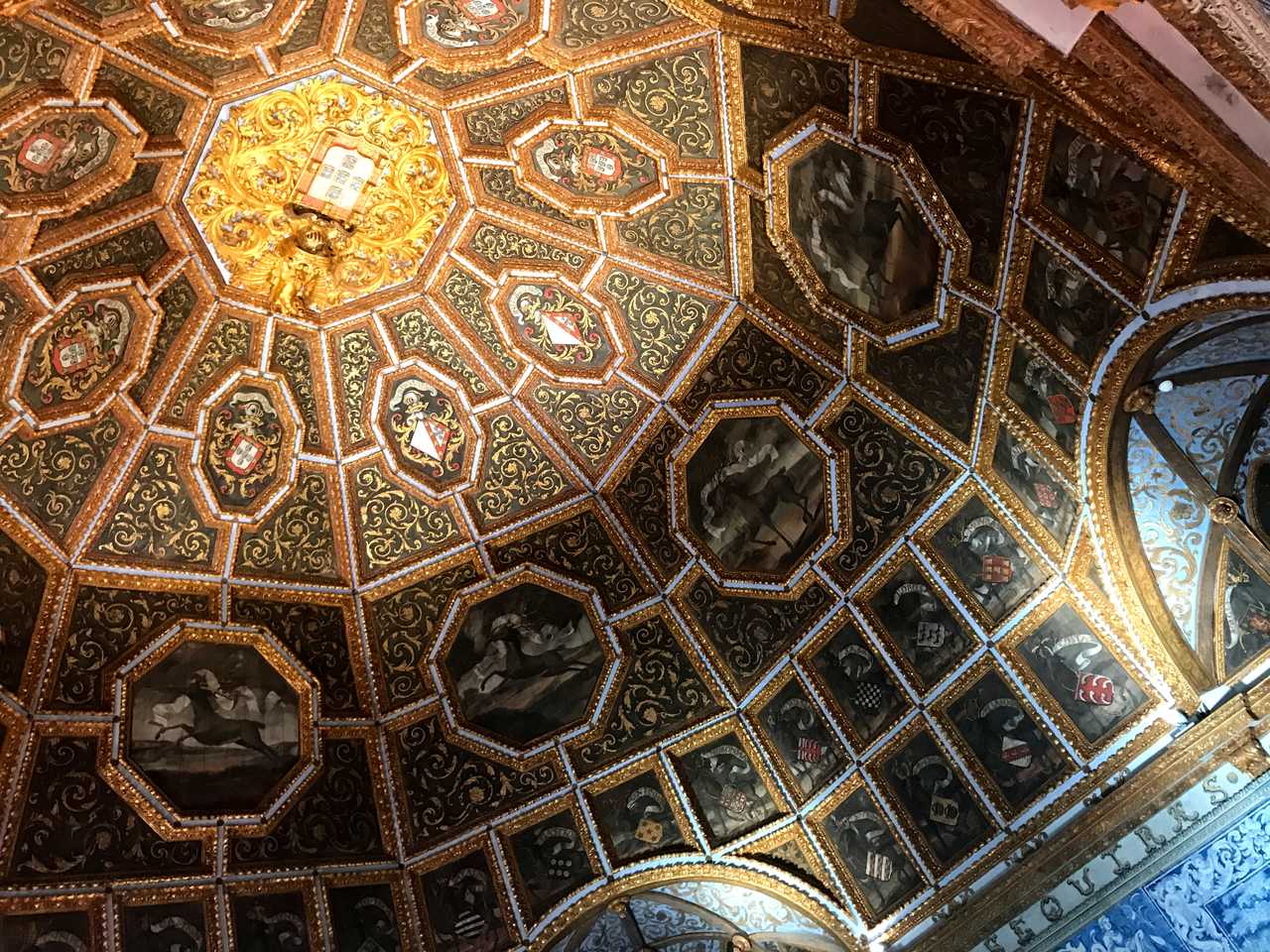
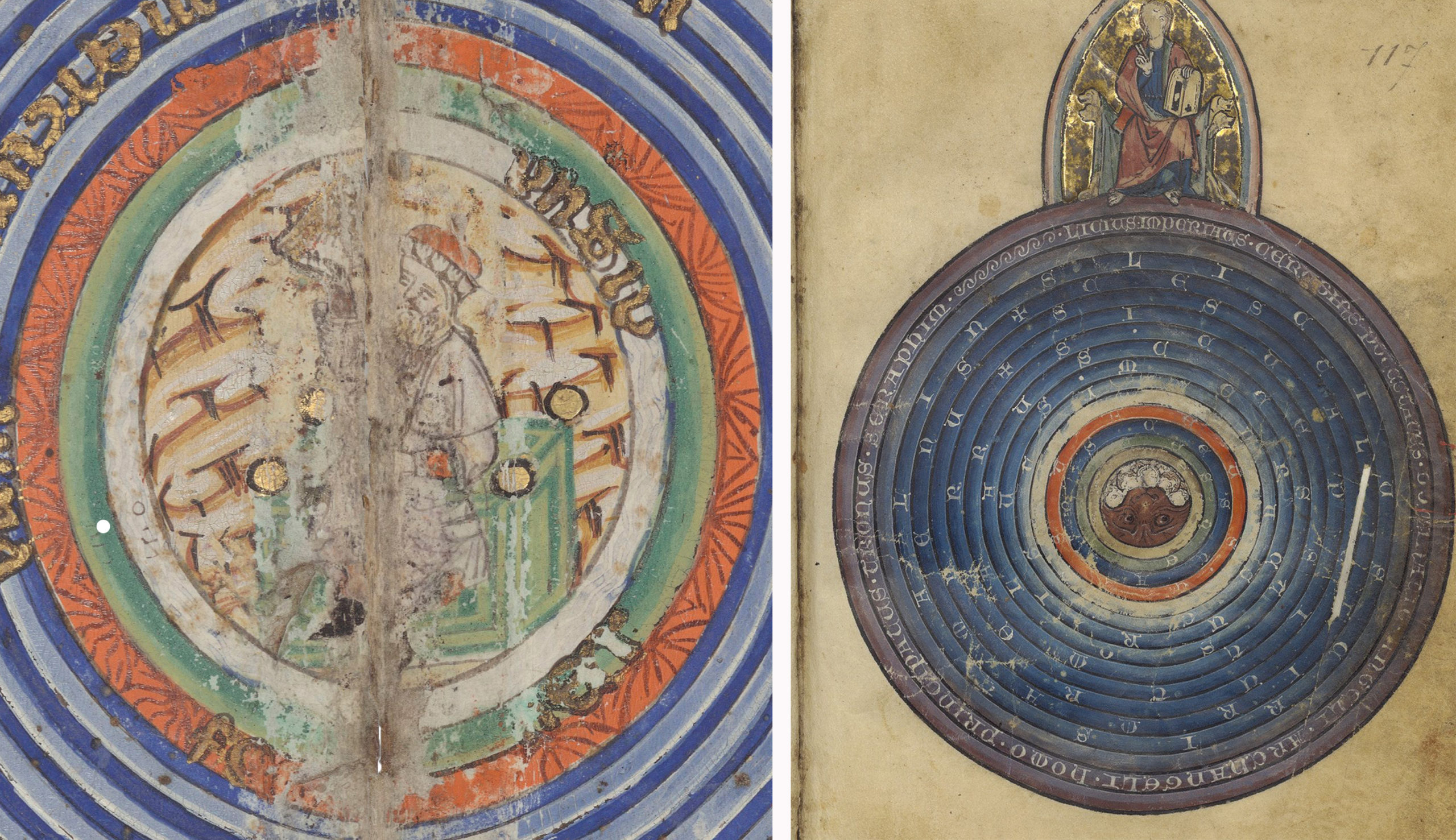
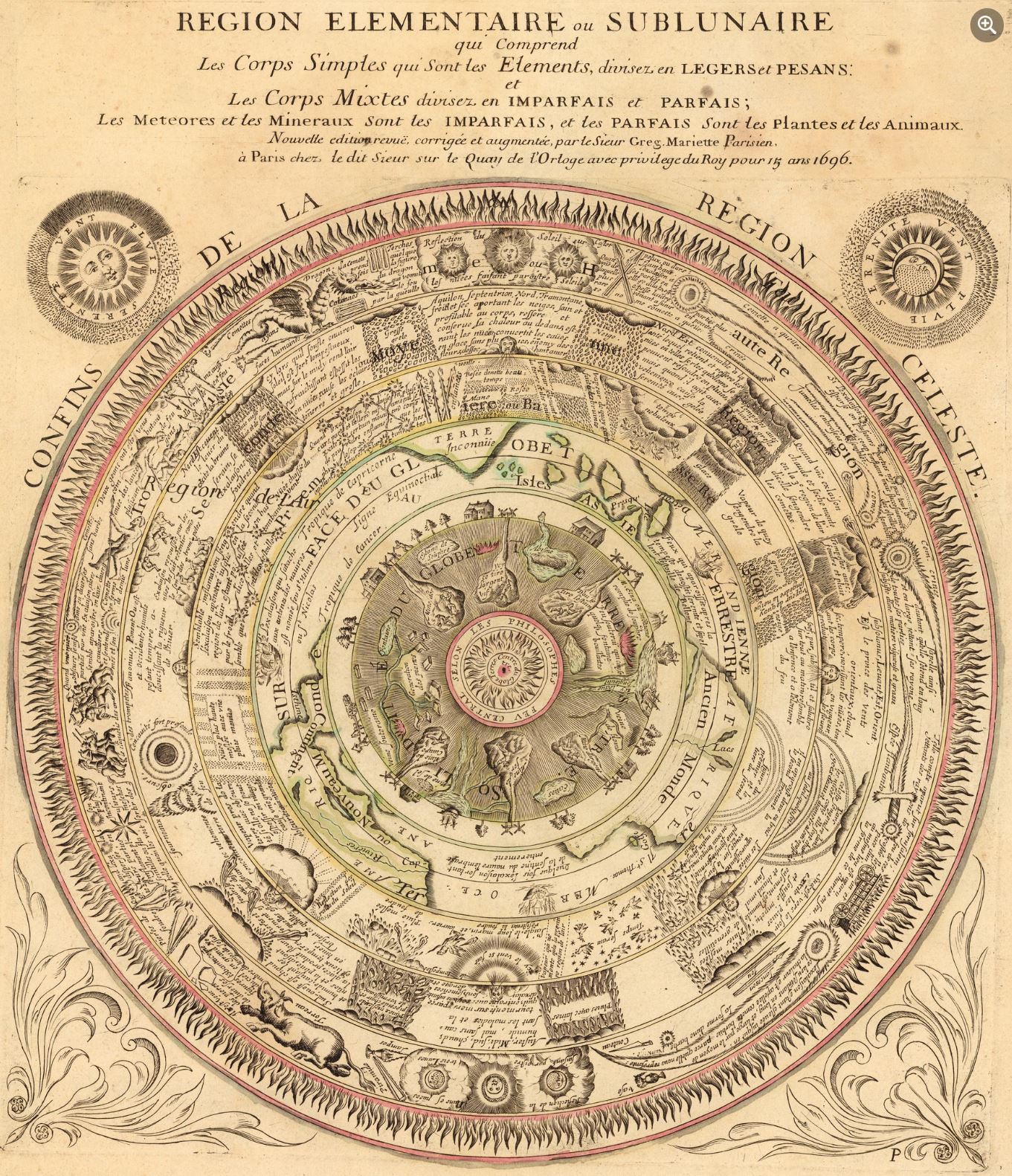
At the dawn of the sixteenth century, Portugal was a kingdom that sought the Omphalos, the navel of the world, the sacred centre where Heaven and Earth could converge. The old Knights Templar, reborn as the Order of Christ in Portuguese territory, had exchanged the horse for the caravel, carrying the Cross across the seas…

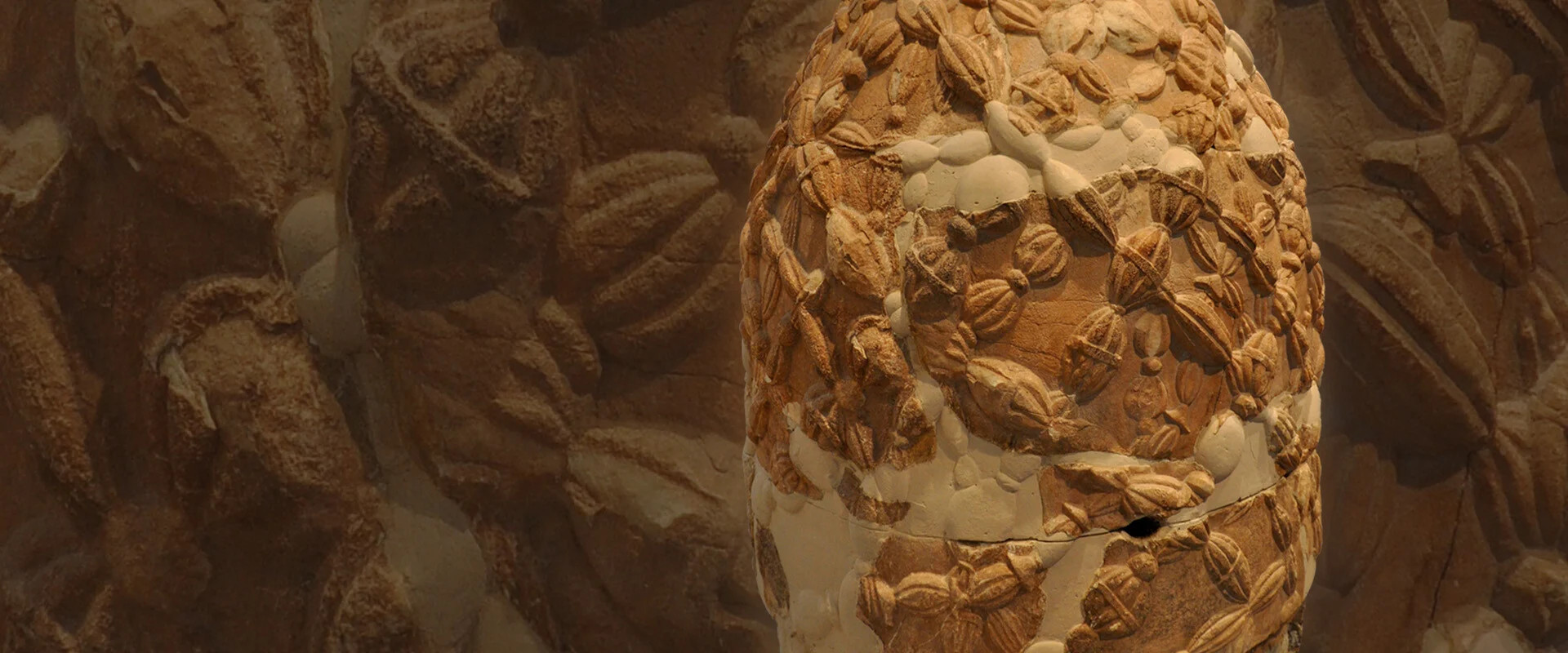
Omphalos (ὀμφαλός) literally means navel. However, in ancient Greek, the word carried a meaning broader than a mere anatomical organ: it designated the point of connection between the inner and the outer, the mother and the child, as well as the cosmos and its origin. When Delphi is called omphalos tēs gēs – the navel…

In the opening of John 7, it says that the Feast of Tabernacles was near, and his brothers (in the broader sense, relatives or countrymen) said to him: “Leave here and go to Judea, so that your disciples also may see the works you are doing” (John 7:3). They were speaking with a hint of…

In the Corpus Hermeticum, Heimarmene is explicitly described as the “governing circuit of the stars,” the chain through which the Divine intellect structures the material world. It is the order (taxis) of the cosmos: an intelligent and binding necessity. Heimarmene (εἱμαρμένη, from meiromai, “to receive one’s portion”) is the chain of causation, the web of…

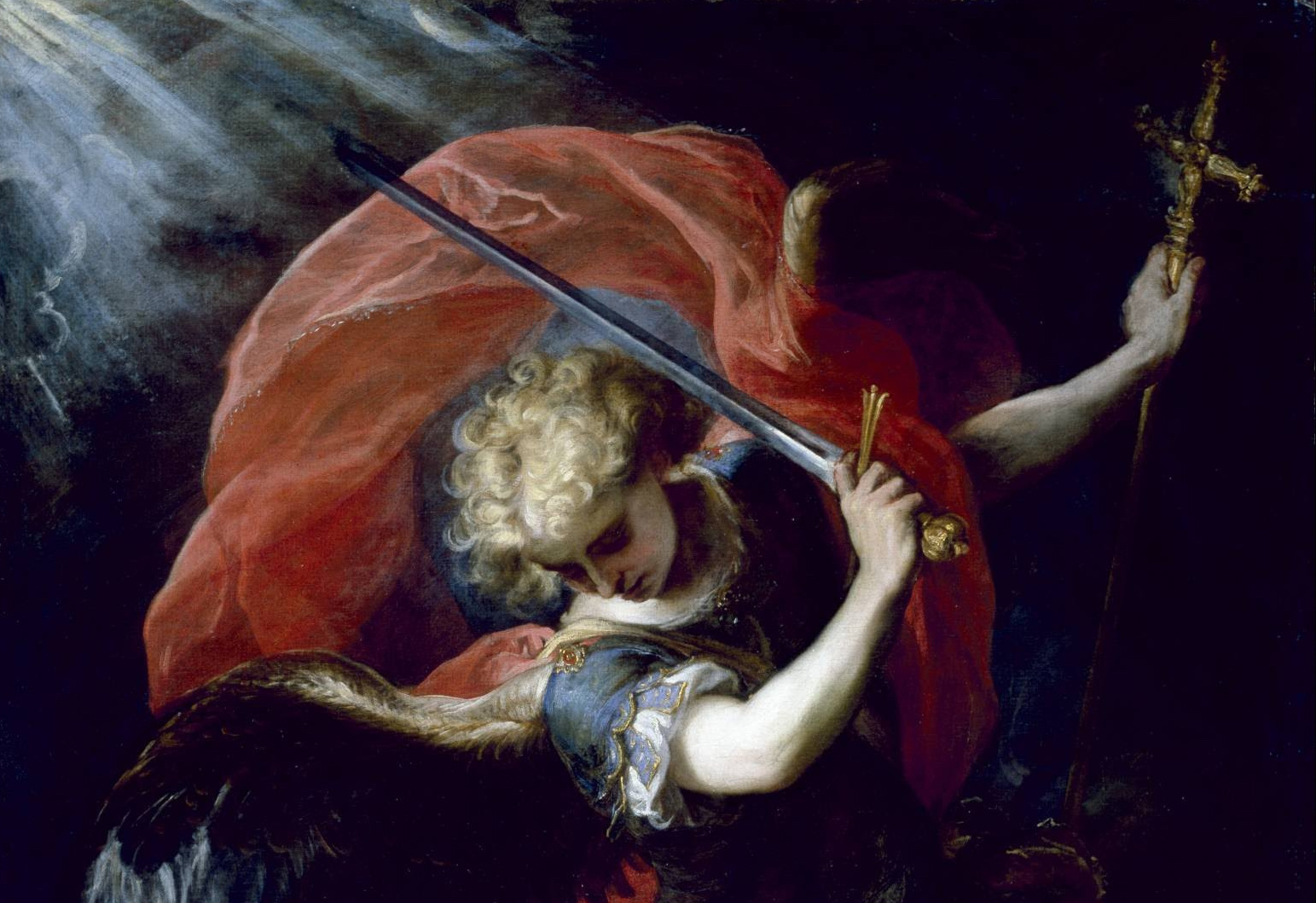
The Ace of Swords is the moment when the Word separates itself from the flesh in order to know it. It is the blade of discernment, the first gesture of light cutting through the undifferentiated mist. To separate the wheat from the chaff is an apt image: the sword cleaves the field of consciousness to…

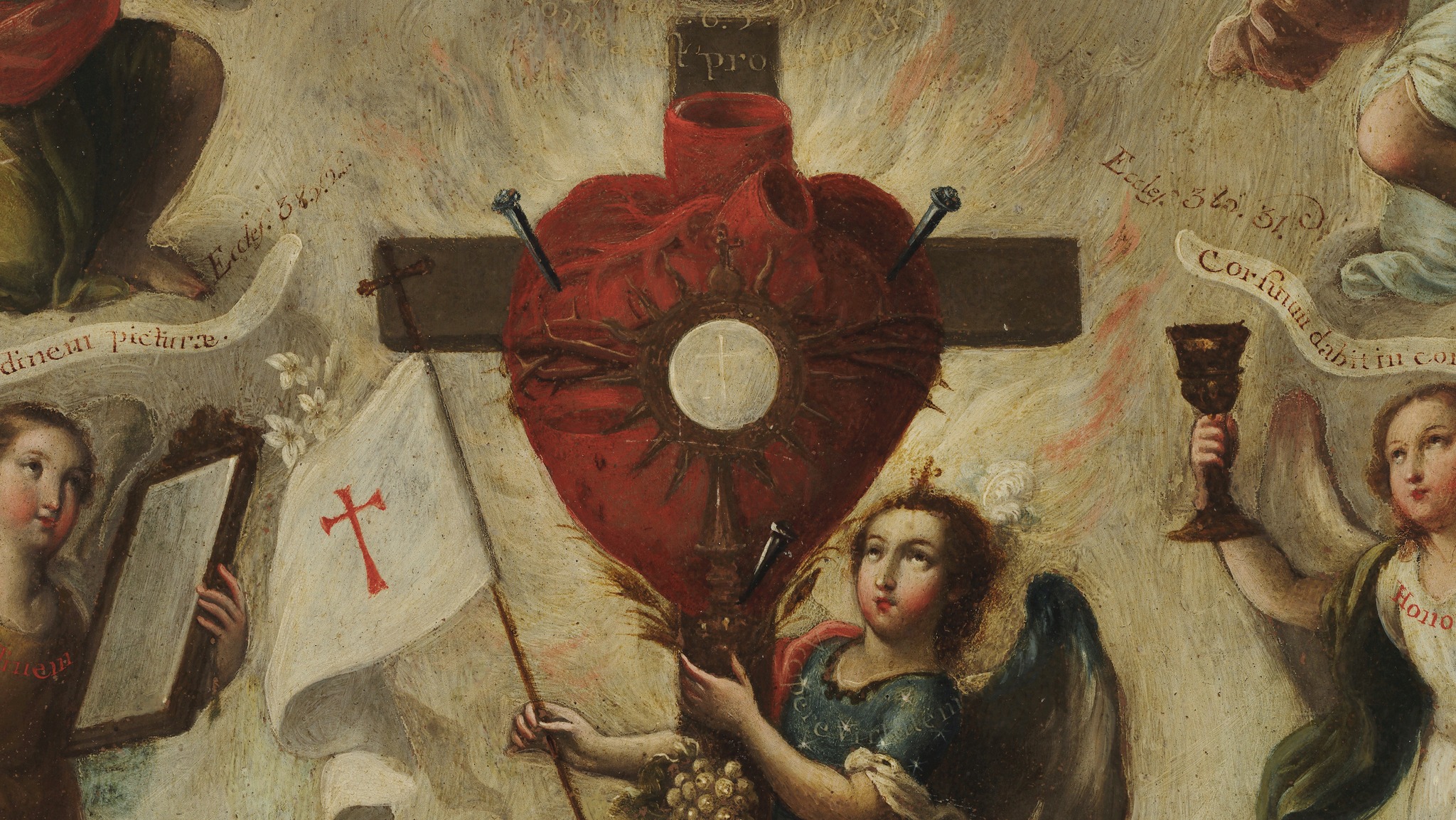
John 6:66-71 is one of those rare crystalline points where theology, language, and ontology come together. Even the verse number 6:66 feels like a mirror of division, marking the threshold where the Word separates those who remain from those who cannot bear the mystery. Just before this, Christ uttered the most scandalous of all sayings:…