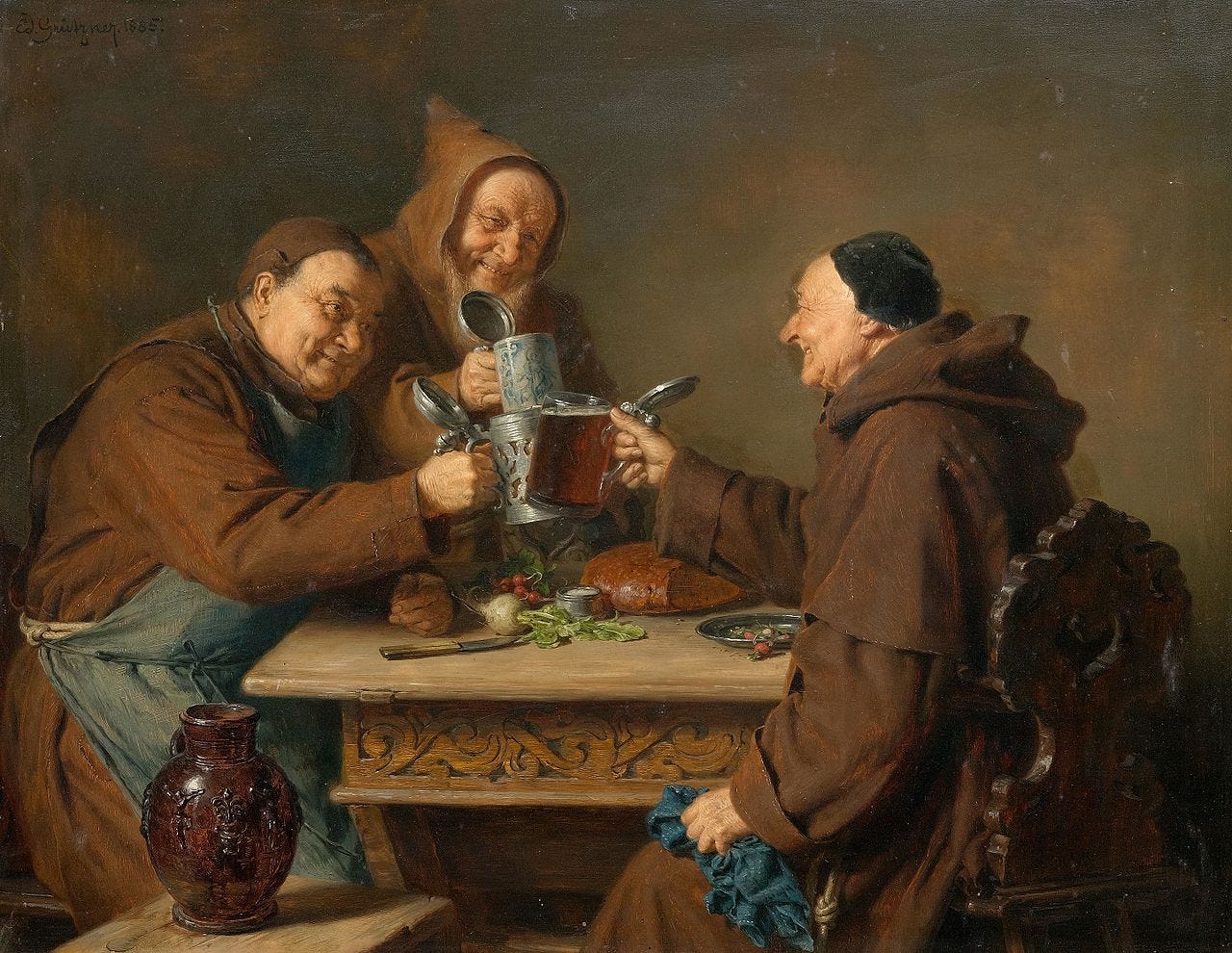

I visited the Kulminator in Antwerp on a cold afternoon around 2017 or 2018. The place was discreet, with the modest charm of a tavern that time had forgotten. At the entrance, the owner, an elderly man with a severe face and eyes that missed nothing, stopped us before we could step inside. “To drink…

The Hebrew word נִקְפָּה (nikpáh), translated as rope, girdle, or braided cord, derives from the triliteral root נק״ף (naqaf). The semantic field points to the act of circling, surrounding, or encircling. In Scripture, naqaf describes the movement of going around a city (Joshua 6:3) and also the gesture of forming a ritual circle. The image…

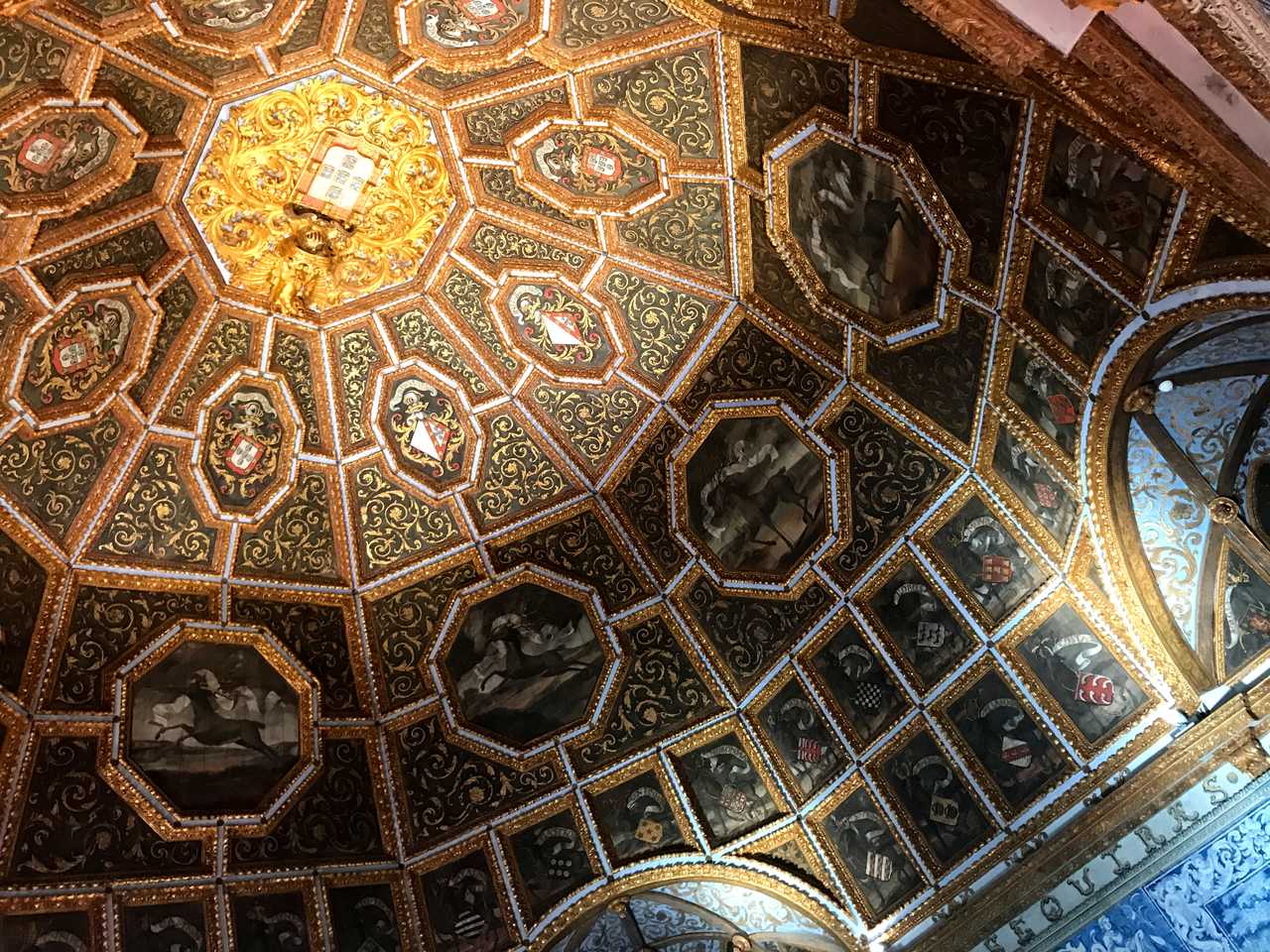
At the dawn of the sixteenth century, Portugal was a kingdom that sought the Omphalos, the navel of the world, the sacred centre where Heaven and Earth could converge. The old Knights Templar, reborn as the Order of Christ in Portuguese territory, had exchanged the horse for the caravel, carrying the Cross across the seas…

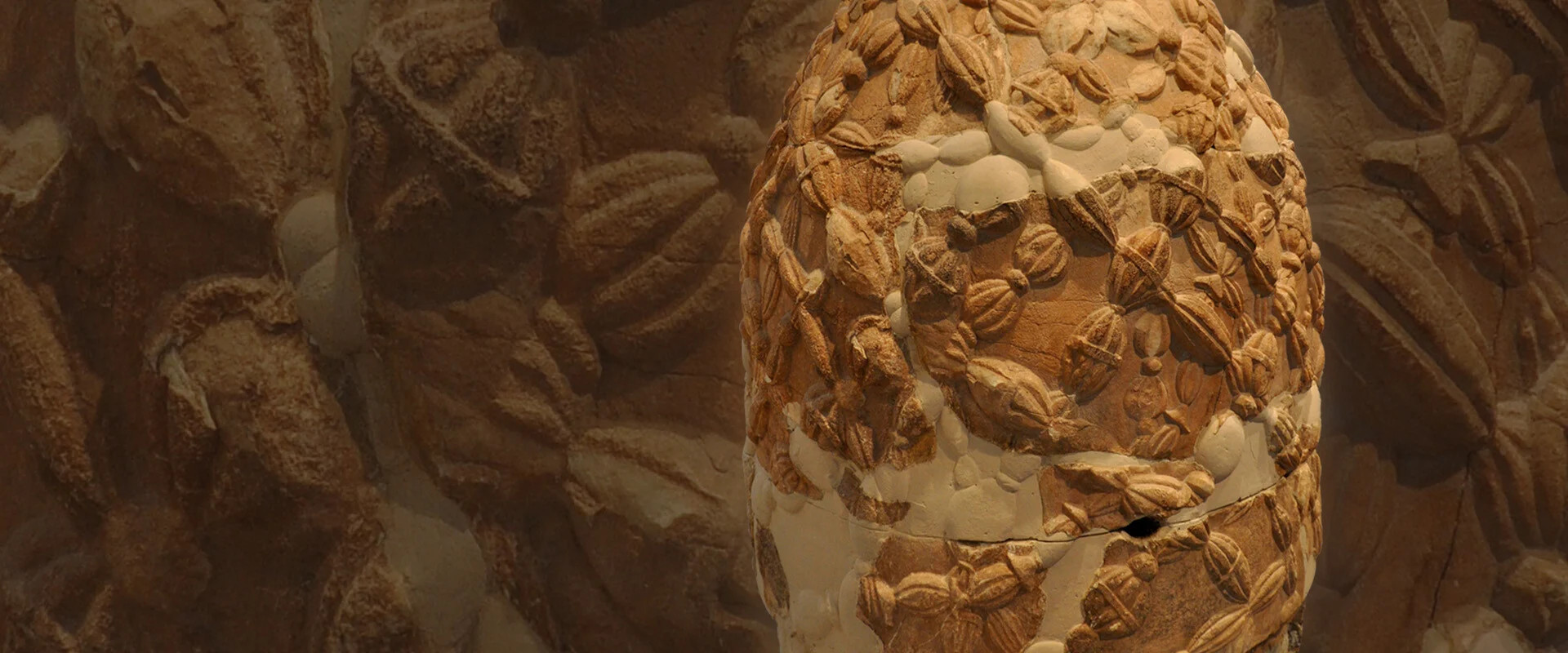
Omphalos (ὀμφαλός) literally means navel. However, in ancient Greek, the word carried a meaning broader than a mere anatomical organ: it designated the point of connection between the inner and the outer, the mother and the child, as well as the cosmos and its origin. When Delphi is called omphalos tēs gēs – the navel…

Psalm 91 is the psalm of absolute trust, of the protective power of the Name, used since antiquity as a verbal amulet against visible and invisible evil. It appears in the final section of the fourth Book of the Psalter (Psalms 90–106), traditionally tied to Moses. It mirrors Psalm 90, which laments human frailty before…

Languages do not die. The words uttered in temples and deserts remain suspended in the subtle air, their syllables repeating themselves in the invisible. Each sacred tongue becomes a vessel of vibration; through long use it condenses into a presence, a field of memory. The prayers of the dead stratify the astral atmosphere, forming egregores.…

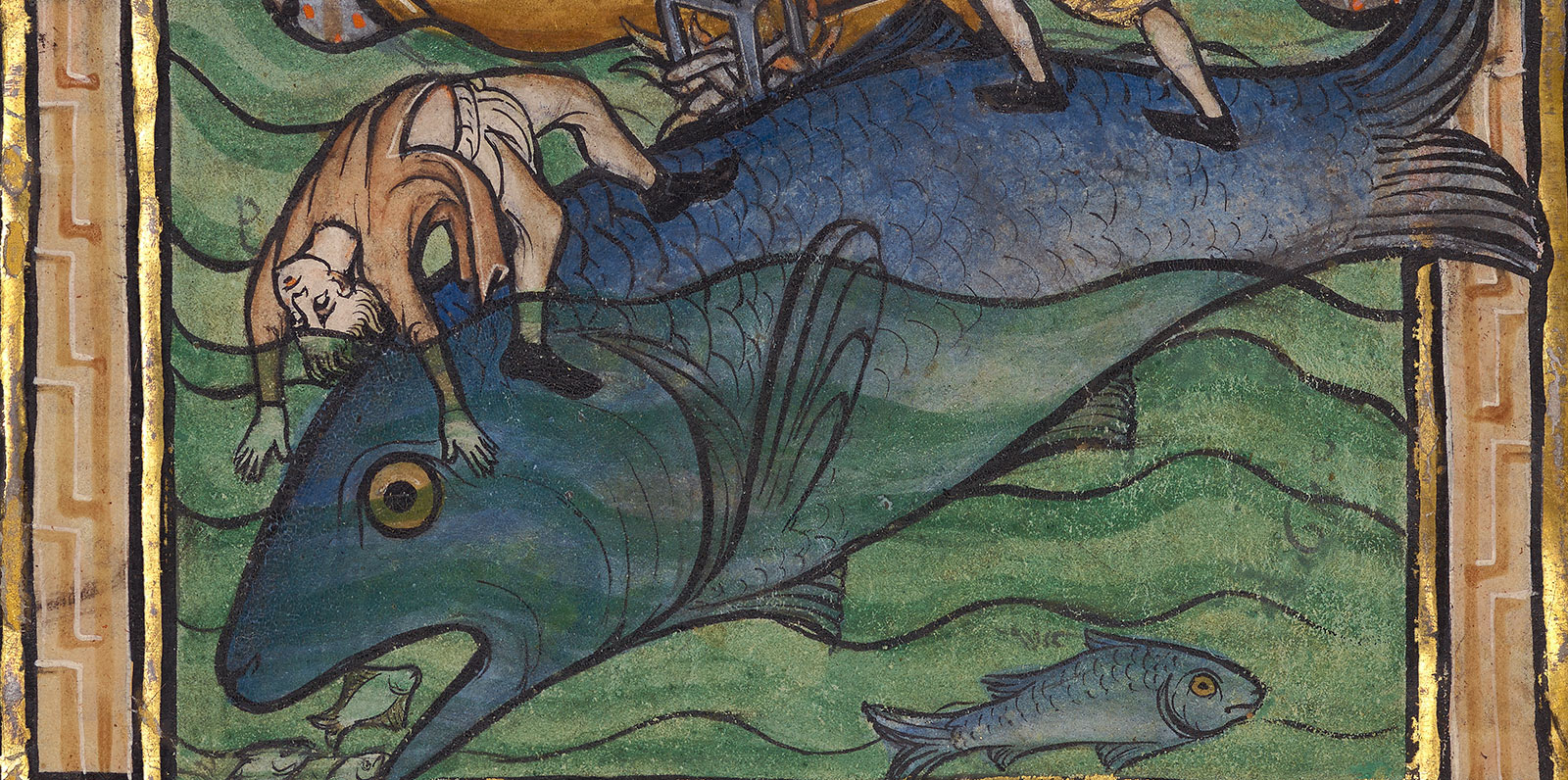
A man once told a story about two fish. One asked: “How’s the water?”. The other had no idea what water was. This parable was retold by David Foster Wallace. But what he offered could stand beside any page of the Zohar or the Corpus Hermeticum. The parable that begins with a fish unaware of…

Astrology reveals paradoxes hidden within the order of the heavens. When Capricorn, the natural sign of the tenth house, is placed at the fourth, the axis turns inside out. What is usually the summit of visibility becomes the deepest of roots. The mountain sign descends into the cavern. Saturn, ruler of Capricorn, if placed here,…

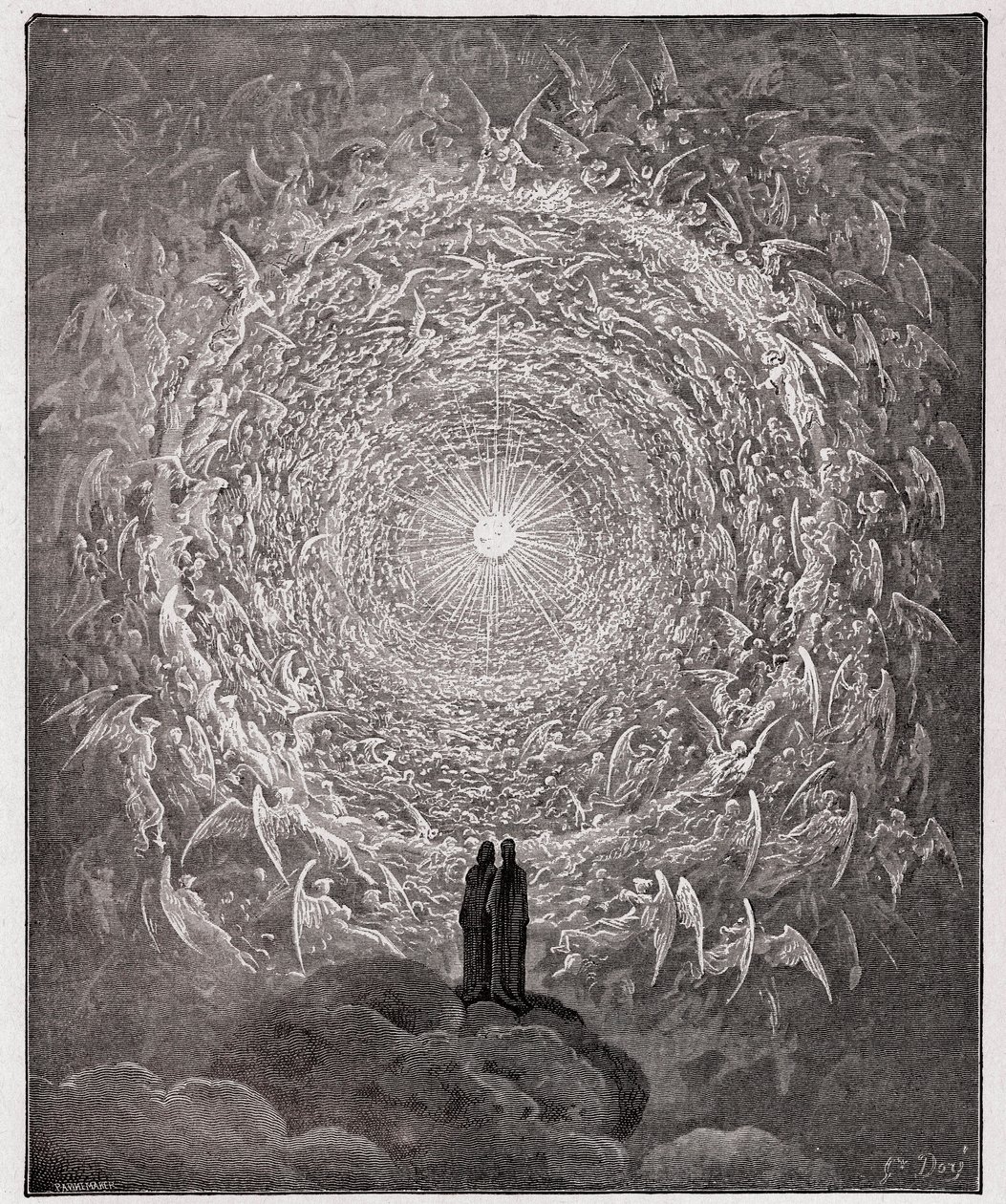
The word empire carries an ancient resonance. It once signified order descending from above, a structure that replicated the harmony of creation and drew earthly power into alignment with the Divine. For Dante, the empire in its true sense was the Empyrean, the region of pure Light where blessed souls abided in union with God.…

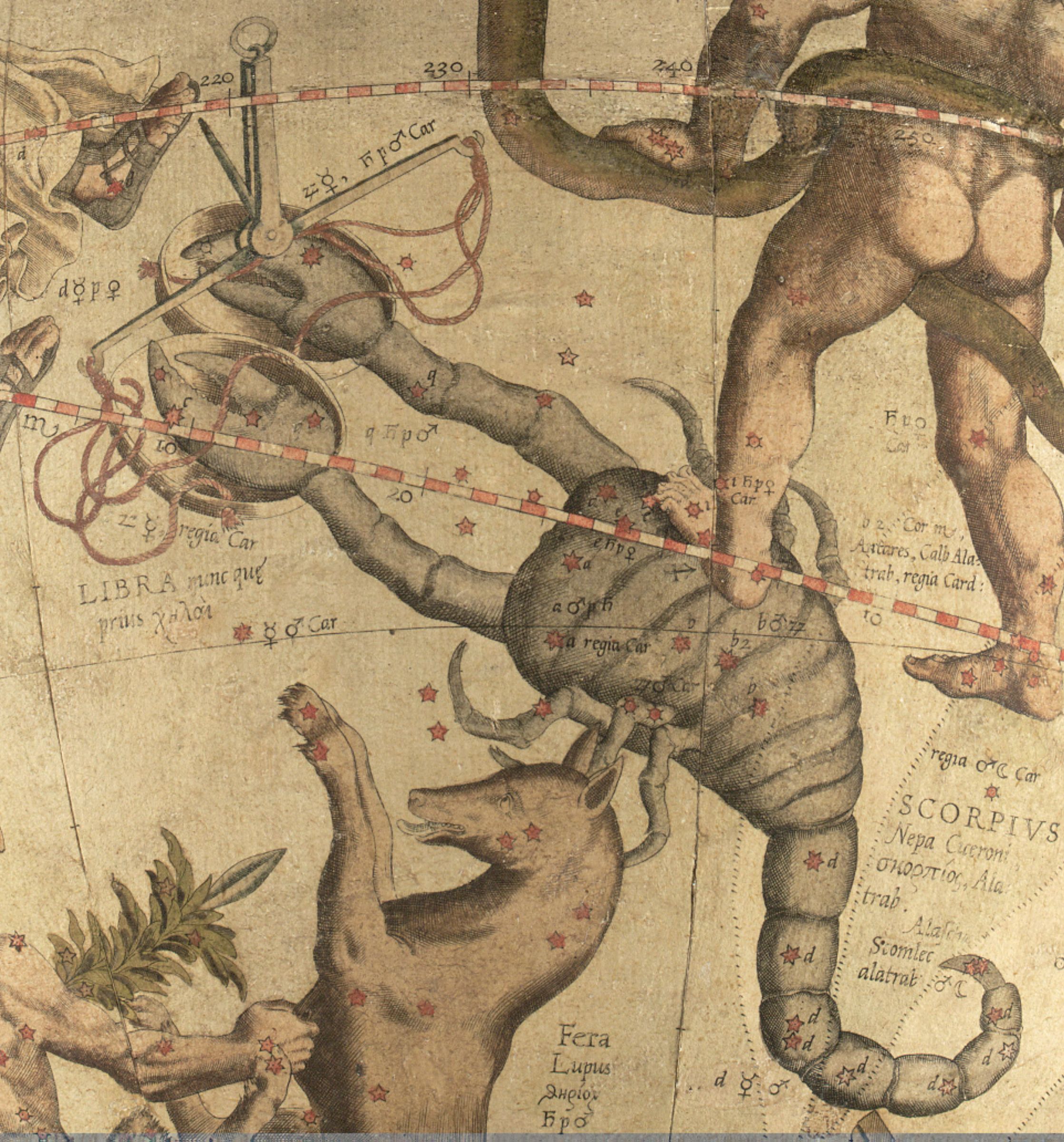
The human being stands beneath the wheeling heavens, woven into their intricate fabric of lights and shadows, obedient to rhythms older than memory. Time is measured by their motion, seasons carved by their courses, fate written in their alignments. The body is pulled by them, the soul impressed with their signs, the mind conditioned by…