The word information comes from the Latin informare: in- (within) + formare (to give form, to shape, to mould something). This is seen in philosophy. For Plato, Forms or Ideas are intelligible models of reality. For Aristotle, everything that exists is composed of matter and form. Matter is what something is made of. Form, which he calls morphé, is what organises that matter according to a principle. For instance, it is the morphé of a tree that makes a seed become an oak rather than a rosebush. It is the morphé of language that makes scattered sounds become language rather than noise. Knowing meant receiving form in the intellect. To know (gnosis in Greek, cognoscere in Latin) was to be inwardly configured by the structure of what is known.
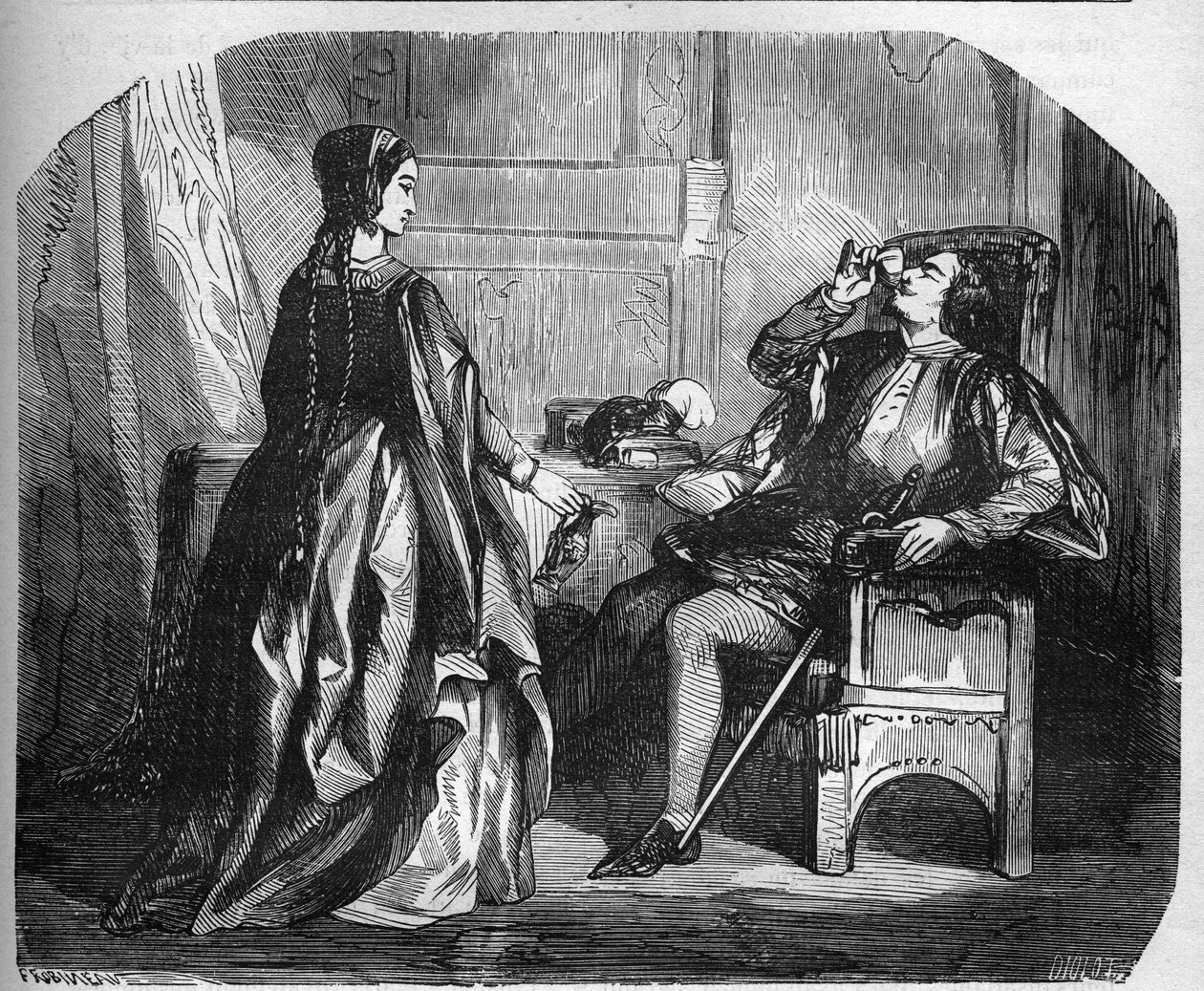
For many centuries this understanding was experienced daily. To live in an context saturated by spiritual forms meant inhabiting a world that opened vertical axes. In medieval Europe and in the Byzantine world, for example, architecture, icons, music, the liturgical calendar and the organisation of urban space constantly oriented attention towards what transcends the individual, removing them from a mere horizontal existence. Even someone who was illiterate was not, etymologically speaking, uninformed or disinformed. On the contrary. They were deeply informed by the forms that structured daily life. The body, the senses and the imagination were educated by a spiritual environment that moulded inwardly.
In modernity, this logic has been inverted. We remain surrounded by rites and symbols, but most of them are horizontal. Advertising, entertainment, social media, news cycles and consumption function as corrupted daily liturgies. They also mould and inform. But they almost always orient towards the immediate, comparison, confusion and reaction. Instead of opening vertical axes, they trap us within the plane of constant horizontal circulation and navel-gazing.
So it becomes essential to ask whether what informs us contributes to the refinement of our own morphé, that is, to a more stable, more integrated and more vertical inner form, or whether it keeps us locked in the horizontal plane of permanent formation, fuelled by fragmentation, anxiety, doom-scrolling and rumination. Information that truly forms tends to generate clarity, depth and a capacity for silence. Information that deforms tends to generate dispersion, agitation and a continuous dependence on stimulus.
Contemporary information, presented as a public service, operates often as a daily training in dispersion. The old meaning of information is to recognise that it is not enough to ask whether something is true or false. It is necessary to ask what kind of human being that information is producing. And, when information does not form, it deforms.
Kύριε ελέησον