
All Saints’ Day (1 November) and All Souls’ Day (2 November) form a liturgical diptych, an axis between Heaven and the Christian Underworld. I. A Liturgical Descent Historically, the first liturgical date of November was established in the eighth century as Solemnis Omnium Sanctorum. Pope Gregory III consecrated a chapel in St Peter’s Basilica to…

When Christ declares in Matthew 5:17, “Do not think that I have come to abolish the Law or the Prophets; I have not come to abolish but to fulfil”, He invokes one of the most profound mysteries of Christian gnosis. The verb πληρῶσαι (plērōsai) means to fill, to make whole, to bring to completion. It…

David Foster Wallace’s chart is the portrait of a mind forged in crystal and iron. Thought was destiny. His Mercury, ruler of both the Moon and the Ascendant, was itself ruled and joined by a fierce Saturn domiciled in Aquarius in the ninth house – domus Dei -, binding soul and flesh to the discipline…

The ancient mind intuited that what appears is only half of what exists. The visible is the clothing of the invisible, the surface of the flame rather than its source. Kant gave this intuition a rigorous name when he spoke of the noumenon and the phenomenon. The distinction was philosophical, but it concealed an older…

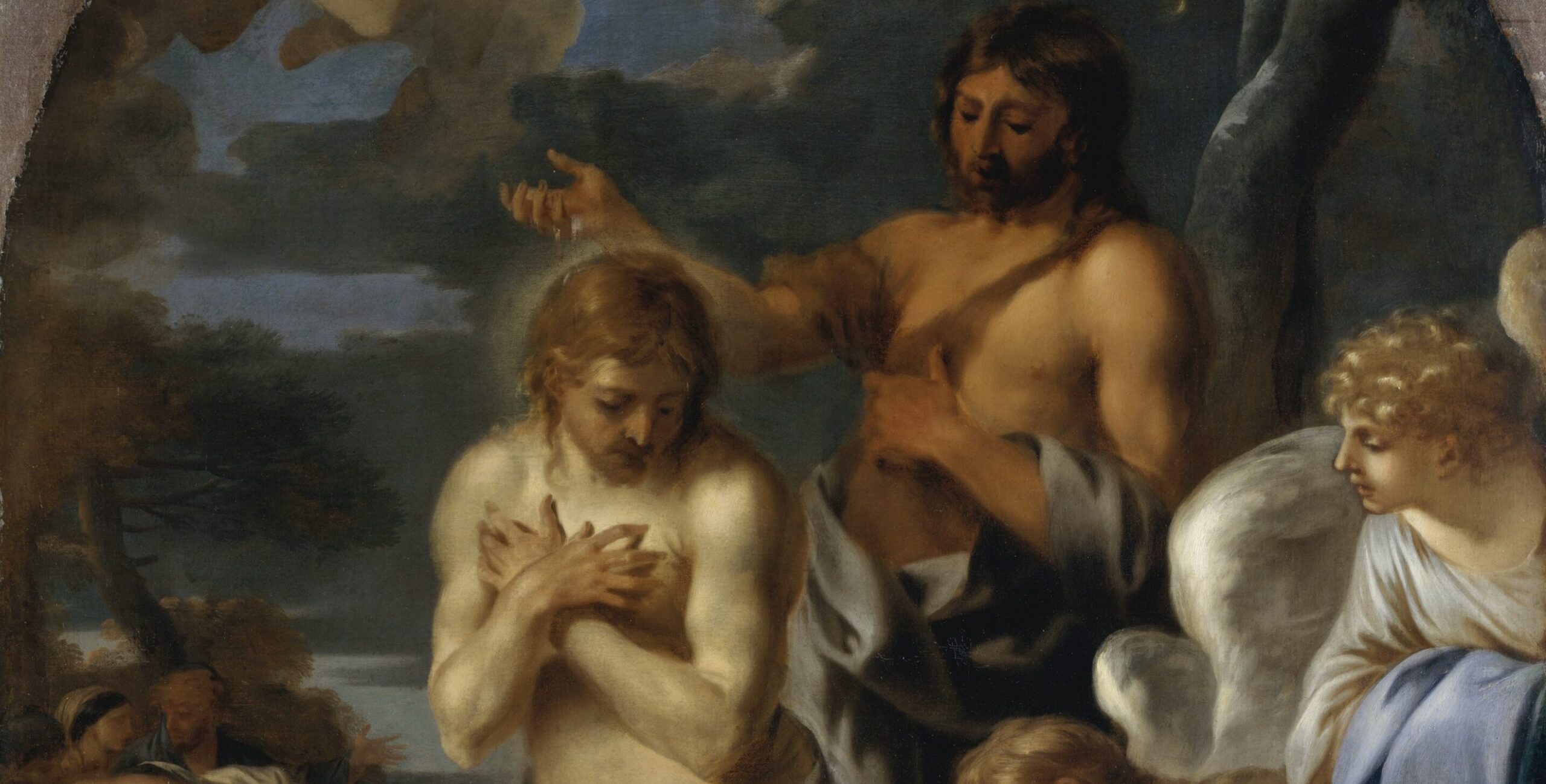
Baptism used to be a descent into the womb of the cosmos itself. The word baptisma comes from the Greek βαπτίζειν (baptizein): to immerse, to submerge, to dye. The root bapto was used for dipping linen into pigment or plunging iron into molten liquid. It meant a total penetration, a transforming contact. To be baptised…

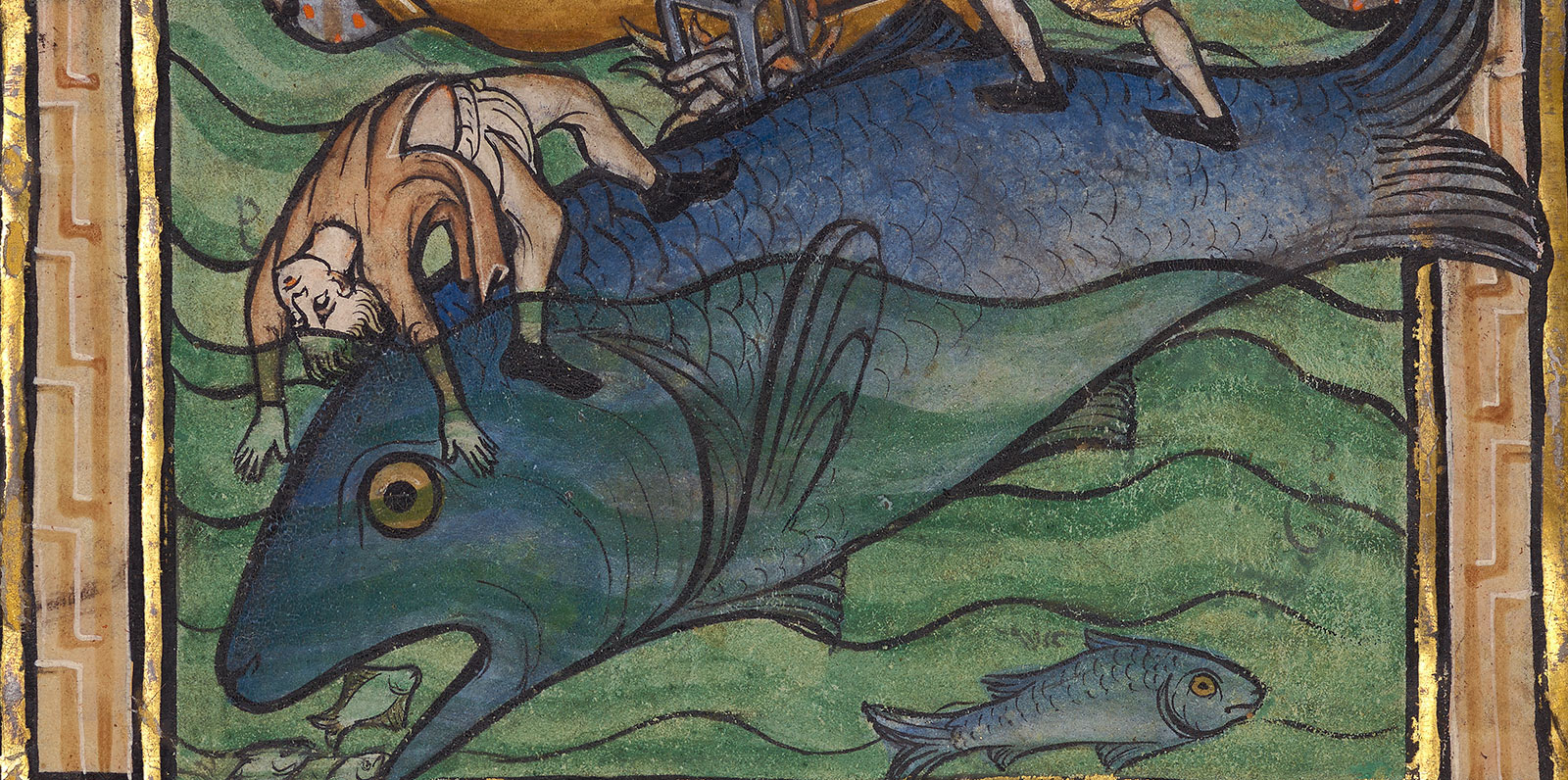
A man once told a story about two fish. One asked: “How’s the water?”. The other had no idea what water was. This parable was retold by David Foster Wallace. But what he offered could stand beside any page of the Zohar or the Corpus Hermeticum. The parable that begins with a fish unaware of…

The natal chart is the invisible pattern through which the world takes shape in a soul. It describes how the cosmic order entered form. The zodiac is a set of wheels moving under the light of a single centre. To read it rightly is to ask: what gesture allows this structure to become transparent to…

Few words disclose such a precise mirror of the human condition as symbolon and diabolos. In their Greek origin lies the drama of creation itself: the movement of union and separation, the pulse of the One divided into the many and forever yearning to return. The symbolic heals that wound and the diabolic widens it.…

After considering astrologically this Mercurial movement through Scorpio, the sign attached the eighth house of the zodiac, with all its aspects, we now turn to the divinatory art of the Tarot to interpret the meaning of this passage. The word divination comes from the Latin divinatio, derived from divinus, meaning “divine”, which itself originates from…

The ancient verb obedīre conceals an act of luminous listening. It comes from ob- meaning “toward” or “in the direction of”, and audīre, “to hear”. To obey once meant to listen attentively toward a source. Its origin lies in hearing that answers rather than slavery. When the Latin was still fresh, to obey meant to…